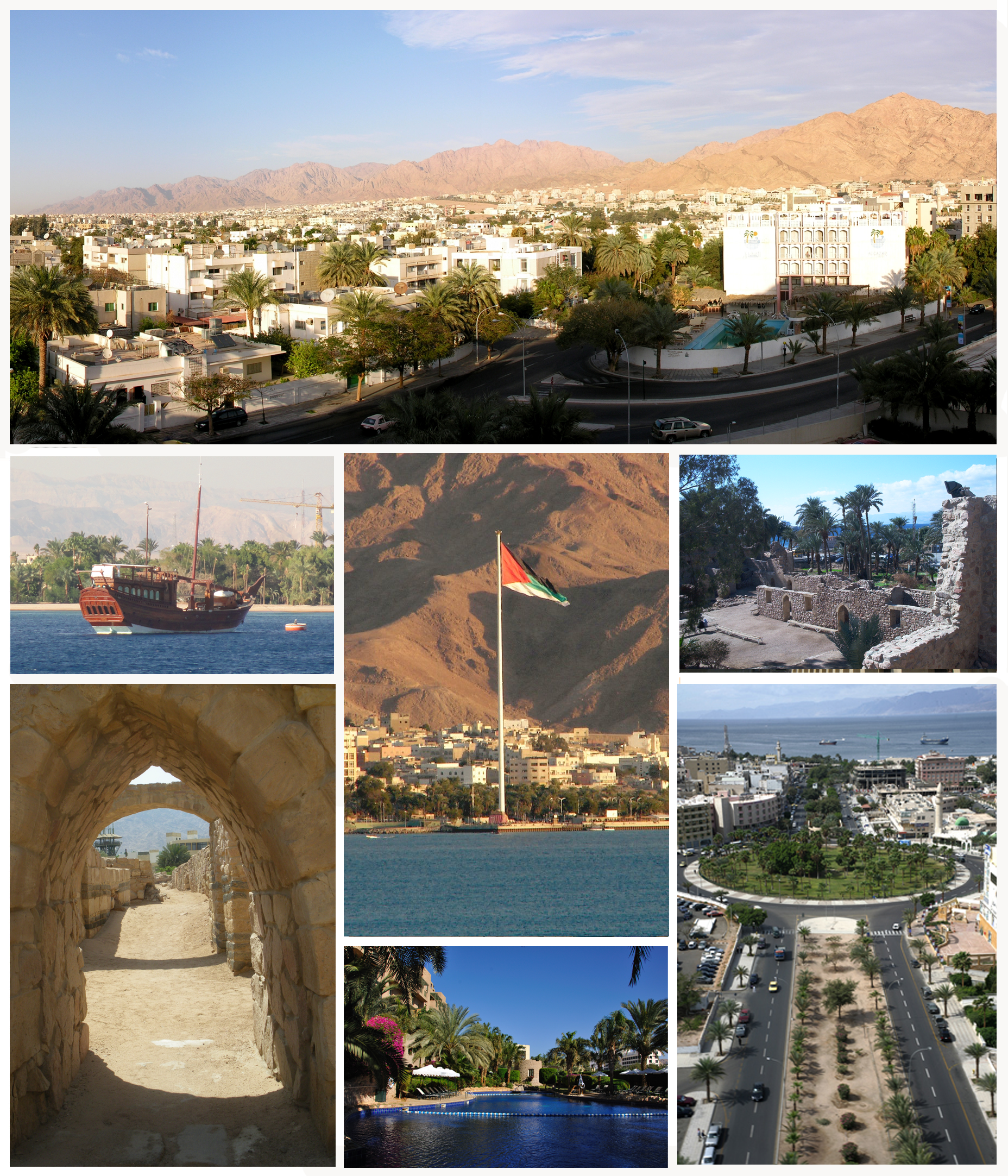
Aqaba Scams to Avoid in 2026 (Jordan)
Aqaba is Jordan's only Red Sea port city, a duty-free zone and diving destination at the northern tip of the Red Sea. The city serves as a gateway to Wadi Rum desert and receives overland travelers from Egypt and Israel. Taxi overcharging from the border crossings, overpriced dive packages, and commission shop networks from drivers are the primary documented tourist issues. The city's duty-free status generates counterfeit goods markets.
Risk Index
6.9
out of 10
Scams
13
documented
High Severity
1
8% of total
6.9
Risk Index
13
Scams
1
High Risk
Traveler Context
What Travellers Should Know About Scams in Aqaba
Aqaba has 13 documented tourist-targeted scams in our database, concentrated around tour & activities (4 reports). The most consistently reported individual pattern is Online Dive Operator Booking Fraud — Fake or heavily misrepresented dive shop websites take advance payments for PADI courses or liveaboard trips in Aqaba and either vanish or provide a far inferior service upon arrival.
Specific documented risk areas include Aqaba Special Economic Zone waterfront dive strip, concentrated between the Royal Diving Club area and the South Beach resort cluster; King Hussein International Airport taxi rank, South Beach hotel strip taxi queues, and the downtown waterfront on King Hussein Street; Wadi Araba border crossing (Israel side), Aqaba ferry terminal (Egypt-Jordan route), taxi waiting areas at both crossing points. A separate but related pattern is Taxi Meter Deactivation and Flat-Rate Overcharging: Aqaba taxis are legally required to use meters for in-city trips, but many drivers deactivate meters and quote flat rates that are two to four times the metered fare, particularly at the King Hussein International Airport taxi rank and outside major hotels on the South Beach strip. The single most effective protection across these patterns: Book only through operators listed on the official PADI dive shop locator or via well-reviewed platforms such as Viator or GetYourGuide. Pay by credit card so you can dispute charges. Confirm the booking directly by phone before travel.
Online Dive Operator Booking Fraud
Fake or heavily misrepresented dive shop websites take advance payments for PADI courses or liveaboard trips in Aqaba and either vanish or provide a far inferior service upon arrival. Some sites clone the branding of legitimate operators in the Aqaba Special Economic Zone dive corridor. Victims typically lose 50–200 USD in non-refundable deposits.
Aqaba Special Economic Zone waterfront dive strip, concentrated between the Royal Diving Club area and the South Beach resort cluster
How to avoid: Book only through operators listed on the official PADI dive shop locator or via well-reviewed platforms such as Viator or GetYourGuide. Pay by credit card so you can dispute charges. Confirm the booking directly by phone before travel.
Key Risk Areas
Where These Scams Are Most Active
Specific areas and landmarks with the highest concentration of documented incidents in Aqaba.
Online Dive Operator Booking Fraud
Online ScamsAqaba Special Economic Zone waterfront dive strip, concentrated between the Royal Diving Club area and the South Beach resort cluster
Taxi Meter Deactivation and Flat-Rate Overcharging
Taxi & TransportKing Hussein International Airport taxi rank, South Beach hotel strip taxi queues, and the downtown waterfront on King Hussein Street
Border Crossing Taxi Overcharging
Taxi & TransportWadi Araba border crossing (Israel side), Aqaba ferry terminal (Egypt-Jordan route), taxi waiting areas at both crossing points
Overpriced Snorkeling and Dive Package Fraud
Tour & ActivitiesSouth Beach area along the Aqaba coastal road, particularly the stretch near the Royal Diving Club and public beach access points
Wadi Rum Jeep Tour Overcharging
Tour & ActivitiesTour desks and street touts along King Hussein Street in central Aqaba, hotel lobbies, and the Aqaba ferry terminal area
Driver and Hotel Commission Shop Network
Tour & ActivitiesSouvenir and jewellery shops along Zahran Street and the Aqaba tourist market, with drivers routing tourists from the city center and South Beach areas
Tour & Activities scams lead in Aqaba
4 of 13 reported incidents fall in this category. See all 4 →
Safety Checklist
Quick Safety Tips for Aqaba
Key precautions based on the most frequently reported scams here.
- Book only through operators listed on the official PADI dive shop locator or via well-reviewed platforms such as Viator or GetYourGuide. Pay by credit card so you can dispute charges. Confirm the booking directly by phone before travel.
- Ask specifically for the meter to be turned on before the car moves. If the driver refuses, exit and take another cab or use a ride-hailing app. Short journeys within central Aqaba should cost 2–4 JOD on the meter; airport runs to downtown typically run 5–8 JOD.
- Agree on the fare firmly before entering any taxi at a border crossing. The fare to central Aqaba from Wadi Araba should be around 5-7 JOD; anything significantly above that is overcharging. Consider walking a short distance from the crossing area before hailing a taxi.
- Compare prices at multiple established dive centers — PADI-certified centers display certification and have fixed price lists. Book through your hotel or a verifiable diving center rather than from beach touts. Confirm gear condition before payment and get dive counts in writing.
- Book Wadi Rum jeep tours through the official Wadi Rum visitor center or directly with licensed Bedouin camps inside the protected area. Official prices are posted at the visitor center entrance. Confirm that the operator's vehicle has official protected area access.
FAQ
Aqaba Safety — Frequently Asked Questions
What scams target tourists in Aqaba?
Are taxis safe in Aqaba?
Is Aqaba safe at night for tourists?
Which areas of Aqaba should tourists be most careful in?
How can I avoid being scammed in Aqaba?
Aqaba · Jordan · Middle East
Open in Maps →1
High Risk
12
Medium Risk
0
Low Risk
13
Total
Showing 13 scams · sorted by frequency
Click any card to expand
Browse by Type
Scam Types in Aqaba
Filter by category — or read worldwide guides for each scam type including taxi scams, street scams, and more.
Taxi & Transport
2 scamsTaxi Meter Deactivation and Flat-Rate Overcharging
Border Crossing Taxi Overcharging
Street Scams
2 scamsCounterfeit Duty-Free Goods
Fake Tourist Police or Authority Impersonation
Restaurant Scams
1 scamsOverpriced Tourist Restaurants on the Beach Promenade
Accommodation Scams
1 scamsAccommodation Overbooking and Bait-and-Switch
Online Scams
1 scams1 high severity
Online Dive Operator Booking Fraud
Tour & Activities
4 scamsOverpriced Snorkeling and Dive Package Fraud
Wadi Rum Jeep Tour Overcharging
Driver and Hotel Commission Shop Network
Glass-Bottom Boat Tour Bait-and-Switch
Compare with nearby destinations
Region
More destinations in Middle East
Editorial note: Scam warnings for Aqaba are compiled from government travel advisories (US State Dept, UK FCDO, Australian DFAT), verified news sources, travel community reports, and traveler-submitted incidents. All entries are reviewed for accuracy and local specificity before publication. Read our full methodology →