On This Page
Shiraz Scams to Avoid in 2026 (Iran)
Shiraz has 10 documented tourist scams across 6 categories in our database. Scam activity is rated moderate. The most commonly reported risks are Airport Taxi Overcharge from SYZ, Unlicensed Persepolis Tour Operator Scam, Black Market Currency Exchange Sting.
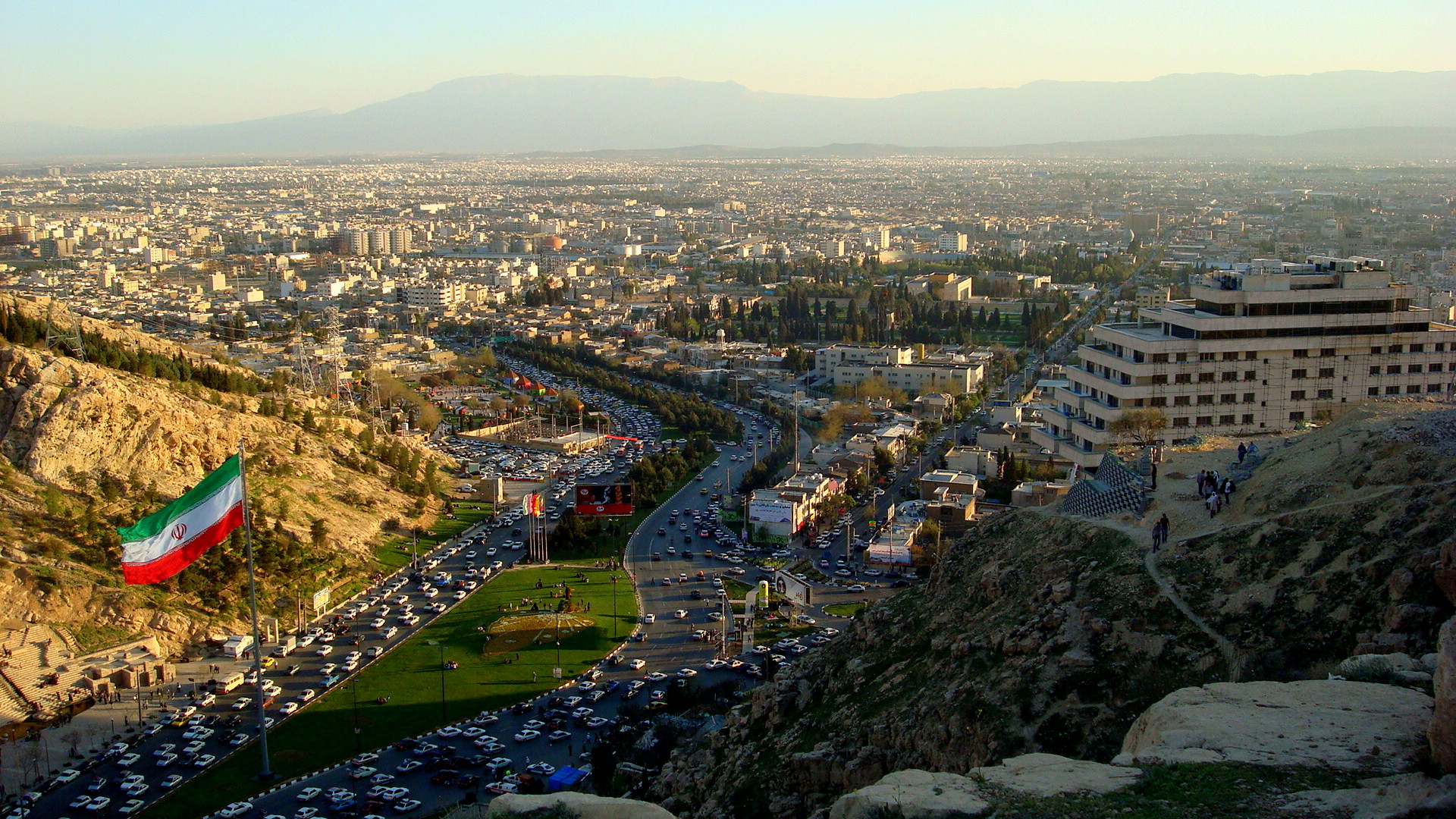
Shiraz is Iran's cultural heartland, drawing visitors to the ancient ruins of Persepolis 60km away, the luminous Shah Cheragh Mosque, the Vakil Bazaar, and the tombs of poets Hafez and Saadi. The city sees a steady stream of independent travelers and organized tour groups, creating predictable opportunities for unlicensed guides, overcharging taxi drivers, and high-pressure carpet merchants. Scam risk is concentrated around major monuments, the bazaar district, and the main road corridor from Shiraz International Airport (SYZ) into the city center.
Compare with nearby destinations
Last updated: April 9, 2026
Airport Taxi Overcharge from SYZ
Unofficial taxi drivers at Shiraz International Airport (SYZ) approach arriving passengers before the official taxi desk and quote fares of 1,000,000–2,000,000 IRR (100,000–200,000 toman) for the 45-minute ride into the city center — three to five times the legitimate rate. They often claim the meter is broken or that a flat rate is standard for foreigners. Currency confusion between rials and toman is frequently exploited to make the inflated fare sound more reasonable.
Shiraz International Airport (SYZ) arrivals hall and outer curb; the unofficial drivers congregate near the exit doors before the formal taxi rank
How to avoid: Use only the official airport taxi counter inside the arrivals hall, which issues a fixed-price receipt before you reach the vehicle. The legitimate fare to central Shiraz is approximately 250,000–400,000 IRR. Alternatively, arrange an airport transfer with your hotel in advance. Never accept rides from men approaching you before baggage claim.
This scam type is also documented in Jerusalem and Istanbul.
3
High Risk
5
Medium Risk
2
Low Risk
Shiraz · Iran · Middle East
Open map →Where These Scams Are Most Active in Shiraz
Specific areas and landmarks with the highest concentration of documented incidents.
Airport Taxi Overcharge from SYZ
Taxi & TransportShiraz International Airport (SYZ) arrivals hall and outer curb; the unofficial drivers congregate near the exit doors before the formal taxi rank
Unlicensed Persepolis Tour Operator Scam
Tour & ActivitiesTout activity concentrated near Vakil Bazaar entrances on Lotf Ali Khan Zand Street and outside hotels on Karim Khan Zand Boulevard; touts also approach at the Persepolis ticket booth itself
Black Market Currency Exchange Sting
Money & ATM ScamsStreet approaches concentrated near the north entrance of Vakil Bazaar on Vakil Square and along the pedestrian section of Karim Khan Zand Boulevard near the Arg; also reported near the main post office on Zand Street
Currency Confusion — Rial vs Toman
Money & ATM ScamsAffects all tourist transactions citywide; particularly common at unlicensed money changers near the Vakil Bazaar, in taxi negotiations, and at souvenir stalls on Karim Khan Zand Boulevard
Vakil Bazaar Carpet Commission Scheme
Street ScamsMain entrances to Vakil Bazaar off Vakil Square (Meidan-e Vakil) and the covered arcade on Lotf Ali Khan Zand Street; commission touts also work the area between the bazaar and the Vakil Mosque
Eram Garden Carpet Shop Steering
Street ScamsStreets immediately outside Eram Garden on Eram Boulevard, northern Shiraz; touts also work the path between Eram Garden and the nearby Quran Gate
These areas are safe to visit — knowing the setups in advance makes them far easier to recognize and avoid.
Quick Safety Tips for Shiraz
Key precautions based on the most frequently reported scams here.
- Use only the official airport taxi counter inside the arrivals hall, which issues a fixed-price receipt before you reach the vehicle. The legitimate fare to central Shiraz is approximately 250,000–400,000 IRR. Alternatively, arrange an airport transfer with your hotel in advance. Never accept rides from men approaching you before baggage claim.
- Book Persepolis tours only through licensed travel agencies with a posted ITTO (Iran Tourism and Touring Organization) registration number. Agree on the full price including entrance tickets, waiting time, and guide fee in writing before departure. Pay no more than 50% upfront.
- Use licensed sarafi (exchange bureaus), which are marked with a government-issued license displayed in the window. The legal rate is favorable enough that the marginal gain from black market exchange is rarely worth the risk. Never exchange money on the street, and never hand over your own currency until the full amount you are receiving has been counted out and verified in front of you.
- Always clarify whether a price is in rial or toman before agreeing. Count your banknotes carefully at sarafi windows before walking away — Iranian notes come in denominations of 10,000, 50,000, 100,000, and 500,000 rials. Use licensed sarafi bureaus (look for a posted government license) rather than street exchangers. Keep a small calculator or phone app handy for conversions.
- Decline unsolicited offers to guide you through the bazaar. Enter shops independently and cross-check prices at multiple stalls before buying. If you want a carpet, visit the official Vakil Bazaar carpet section directly and negotiate from a starting position of 30–40% of the first quoted price. A genuine shopkeeper will not need a middleman to bring you in.
How it works
Unofficial taxi drivers at Shiraz International Airport (SYZ) approach arriving passengers before the official taxi desk and quote fares of 1,000,000–2,000,000 IRR (100,000–200,000 toman) for the 45-minute ride into the city center — three to five times the legitimate rate. They often claim the meter is broken or that a flat rate is standard for foreigners. Currency confusion between rials and toman is frequently exploited to make the inflated fare sound more reasonable.
How it works
Touts operating near the Shiraz bazaar district and outside major hotels offer cut-price day tours to Persepolis and Naqsh-e Rostam, then inflate the price on arrival or deliver a poor-quality "guide" with no official credentials. The 60km drive from Shiraz creates a captive situation — once you are at the site, renegotiating fare or guide fees is extremely difficult. Some operators collect payment upfront and then fail to show up at the agreed time, leaving tourists stranded.
How it works
Street money changers near the Vakil Bazaar and in the area around Karim Khan Zand Boulevard approach tourists offering exchange rates for USD or Euros that are 10–20% above the official sarafi rate. While the black market rate is real and widely used, tourist-targeting operators use sleight-of-hand during the count, shortchanging the visitor, or switch the agreed denomination partway through. In some cases a third party posing as police then appears and demands a bribe from both parties, effectively double-victimizing the tourist.
How it works
Iran's dual currency system (rial and toman, where 1 toman = 10 rials) is routinely exploited in tourist transactions. Taxi drivers, souvenir sellers, and small restaurant owners quote prices in toman verbally but then demand payment in rials, or vice versa, effectively multiplying the price tenfold. At sarafi (exchange bureaus), some operators quote a favorable exchange rate but then hand over significantly fewer notes than agreed, counting on the tourist's unfamiliarity with large-denomination Iranian banknotes.
How it works
Friendly locals near Vakil Bazaar strike up unprompted conversations with tourists, offering to show them around the bazaar or claiming to be students wanting to practice English. After building rapport, they steer visitors into specific carpet or handicraft shops where they earn a commission of 20–40% on any purchase. Prices in these shops are set far above market value — a carpet priced at 50,000,000 IRR (5,000,000 toman) may have a fair market value of 15,000,000–20,000,000 IRR.
How it works
Near the UNESCO-listed Eram Garden in northern Shiraz, a well-established circuit of touts approaches tourists leaving the garden and steers them toward carpet and handicraft shops on the adjacent streets, framing the visit as a cultural experience ("see how Iranian carpets are made"). Inside, high-pressure sales tactics are used, including manufactured social obligation — tea is served, family photos shown — before a hard sales push for items priced at three to five times their actual market value. Refusing to buy after accepting hospitality is used as emotional leverage.
How it works
Men near the entrance to Hafezieh — the garden tomb of the poet Hafez in the Musalla district — offer unsolicited guiding services, claiming to be university literature professors or certified guides who will explain the Persian poetry inscriptions. After a 20–30 minute walk-through, they demand a fee of 500,000–3,000,000 IRR, far above any pre-agreed amount, and become aggressive or block the exit if the tourist refuses. Some operate in pairs, with one engaging the tourist and another blocking the path.
How it works
Individuals posing as mosque officials or plainclothes religious police approach tourists at Shah Cheragh Mosque — one of Shiraz's most visited sites — and claim that the visitor has violated photography rules or dress code regulations, then demand an on-the-spot cash "fine" of 500,000–2,000,000 IRR. Shah Cheragh is a functioning pilgrimage site with genuine photography restrictions in some areas, which makes the scam plausible. The fake official never produces any written documentation or official receipt.
How it works
Restaurants immediately surrounding the Arg of Karim Khan citadel — a high-footfall tourist zone in central Shiraz — present menus with prices in toman but generate bills in a mixed or inflated format that results in charges two to three times higher than the menu price. Some establishments add a mandatory "tourist service charge" of 20–30% that is not disclosed upfront. A few operators near Zand Street run a version where the menu shown outside shows one price but an internal version presented at the table shows higher prices.
How it works
Similar to the Hafezieh scam, individuals near the tomb of the poet Saadi (Saadieh) in eastern Shiraz offer guiding services with no upfront fee discussion. The Saadi tomb complex is less visited than Hafezieh and has fewer official staff visible, making it easier for opportunists to operate. After a tour, guides demand 1,000,000–5,000,000 IRR and have been reported to follow tourists to their taxi if payment is refused, causing a public scene.
Shiraz Safety — Frequently Asked Questions
What scams target tourists in Shiraz?
Are taxis safe in Shiraz?
Is Shiraz safe at night for tourists?
Which areas of Shiraz should tourists be most careful in?
How can I avoid being scammed in Shiraz?
Browse by scam type
Filter scams in Shiraz by category, or read our worldwide guides for each scam type — taxi scams, street scams, restaurant scams, and more.
Safety guides for Shiraz
If you're visiting more than one destination
Similar scam patterns are active across the Middle East region. Before visiting Izmir, Jeddah, and Bodrum, review each city's guide — tactics vary and local setups differ even for the same scam type.
Editorial note: Scam warnings for Shiraz are compiled from government travel advisories (US State Dept, UK FCDO, Australian DFAT), verified news sources, travel community reports, and traveler-submitted incidents. All entries are reviewed for accuracy and local specificity before publication. Read our full methodology →