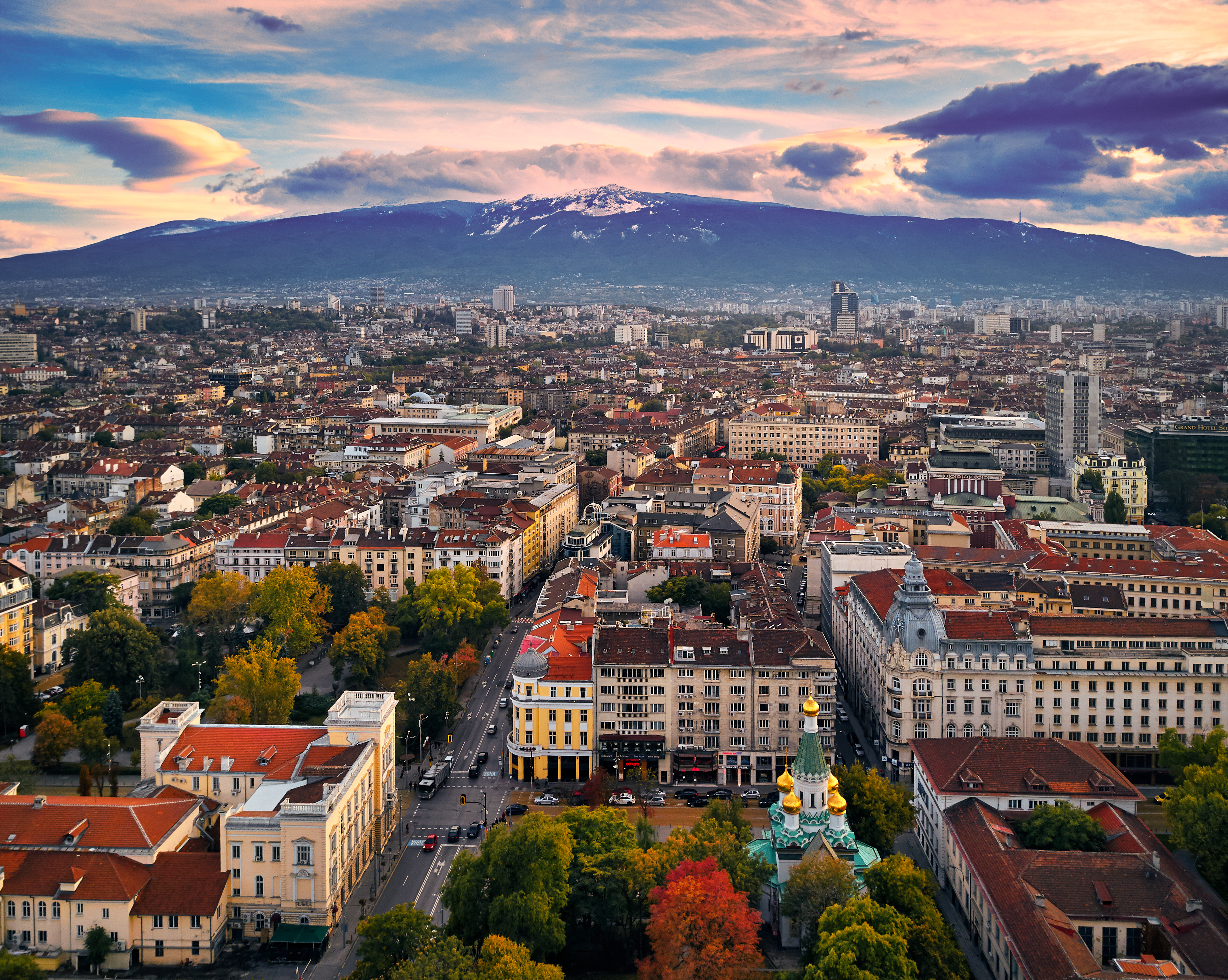
Sofia Scams to Avoid in 2026 (Bulgaria)
Sofia is one of Europe's most affordable capitals, but visitors get caught out by fake taxi companies, manipulative currency exchanges, and overcharging bars targeting tourists near the nightlife strip.
Risk Index
6.9
out of 10
Scams
13
documented
High Severity
2
15% of total
6.9
Risk Index
13
Scams
2
High Risk
Traveler Context
What Travellers Should Know About Scams in Sofia
Sofia has 13 documented tourist-targeted scams in our database, concentrated around taxi & transport (2 reports). The most consistently reported individual pattern is Vitosha Boulevard Friendly Local Bar Invite — Friendly locals on Vitosha Boulevard or near Sveta Nedelya Square strike up conversation and invite tourists to a "local bar" or "nice club" nearby, steering them to a venue with massively inflated drink prices — sometimes 50–100 BGN per cocktail — and a bill that includes compulsory service charges and cover fees that were not disclosed.
Specific documented risk areas include Side streets branching off Vitosha Boulevard between pl. Sveta Nedelya and NDK; also around ul. Graf Ignatiev and Studentski Grad (student district); City centre pedestrian zones around Serdika metro station, Vitosha Boulevard, and near the Alexander Nevsky Cathedral tourist area; Taxi ranks at Sofia Airport Terminal 1 and Terminal 2, outside Sofia Central Railway Station (Tsentralna Gara), and on Vitosha Boulevard in central Sofia where taxis queue for street hails.. A separate but related pattern is Fake Police Officer Wallet Inspection: Men posing as plainclothes police officers approach tourists in Sofia city centre, flashing unofficial-looking badges and claiming to investigate counterfeit currency or drug activity. The single most effective protection across these patterns: Decline invitations from strangers to drink at venues you have not independently chosen. If you enter any bar in Sofia, ask to see the printed price menu before ordering. Note the address when entering any nightlife venue and keep a card with enough funds to cover a worst-case bill.
Vitosha Boulevard Friendly Local Bar Invite
Friendly locals on Vitosha Boulevard or near Sveta Nedelya Square strike up conversation and invite tourists to a "local bar" or "nice club" nearby, steering them to a venue with massively inflated drink prices — sometimes 50–100 BGN per cocktail — and a bill that includes compulsory service charges and cover fees that were not disclosed. Some establishments have bouncers who prevent guests from leaving without settling the inflated bill.
Side streets branching off Vitosha Boulevard between pl. Sveta Nedelya and NDK; also around ul. Graf Ignatiev and Studentski Grad (student district)
How to avoid: Decline invitations from strangers to drink at venues you have not independently chosen. If you enter any bar in Sofia, ask to see the printed price menu before ordering. Note the address when entering any nightlife venue and keep a card with enough funds to cover a worst-case bill.
Key Risk Areas
Where These Scams Are Most Active
Specific areas and landmarks with the highest concentration of documented incidents in Sofia.
Vitosha Boulevard Friendly Local Bar Invite
Restaurant ScamsSide streets branching off Vitosha Boulevard between pl. Sveta Nedelya and NDK; also around ul. Graf Ignatiev and Studentski Grad (student district)
Fake Police Officer Wallet Inspection
Other ScamsCity centre pedestrian zones around Serdika metro station, Vitosha Boulevard, and near the Alexander Nevsky Cathedral tourist area
Fake Taxi Companies
Taxi & TransportTaxi ranks at Sofia Airport Terminal 1 and Terminal 2, outside Sofia Central Railway Station (Tsentralna Gara), and on Vitosha Boulevard in central Sofia where taxis queue for street hails.
Bar Overcharging with Intimidation
Restaurant ScamsBars on and around Vitosha Boulevard (Sofia's main pedestrian shopping street) and near the National Palace of Culture (NDK) in Sofia. Some affected venues are on side streets off Graf Ignatiev and in the Studentski Grad nightlife zone.
Currency Exchange Extra Digit Trick
Money & ATM ScamsCurrency exchange booths near the Largo Rotunda (formerly Ploshtad Lenin) and in the tourist-facing streets around Vitosha Boulevard and the Serdika metro area in central Sofia, Bulgaria.
Fake Online Tour Booking with No Operator
Online ScamsFake bookings advertised on social media (Facebook travel groups), generic tour sites, and email spam; claimed meeting points are Nevsky Cathedral, Aleksandar Battenberg Square, Alexander Nevsky Crypt
Safety Checklist
Quick Safety Tips for Sofia
Key precautions based on the most frequently reported scams here.
- Decline invitations from strangers to drink at venues you have not independently chosen. If you enter any bar in Sofia, ask to see the printed price menu before ordering. Note the address when entering any nightlife venue and keep a card with enough funds to cover a worst-case bill.
- Never hand over your wallet or passport to someone who stops you on the street, even if they show a badge. Insist on walking to the nearest marked police station together, or call 112 to verify. Legitimate officers will not object to this request.
- Book via the Bolt or Uber app, or call OK Supertrans directly. Check the license plate matches what the app shows.
- Research bar reviews before going out. Never follow strangers to a bar they recommend. Have the hotel number ready to call.
- Use ATMs from major Bulgarian banks (DSK, UniCredit). Avoid street exchange booths entirely.
FAQ
Sofia Safety — Frequently Asked Questions
What scams target tourists in Sofia?
Are taxis safe in Sofia?
Is Sofia safe at night for tourists?
Which areas of Sofia should tourists be most careful in?
How can I avoid being scammed in Sofia?
Sofia · Bulgaria · Europe
Open in Maps →2
High Risk
10
Medium Risk
1
Low Risk
13
Total
Showing 13 scams · sorted by frequency
Click any card to expand
Browse by Type
Scam Types in Sofia
Filter by category — or read worldwide guides for each scam type including taxi scams, street scams, and more.
Taxi & Transport
2 scamsFake Taxi Companies
Overpriced Airport Transfers
Street Scams
2 scamsPickpocketing on Public Transport
Charity Clipboard Petition Scam
Restaurant Scams
2 scams1 high severity
Vitosha Boulevard Friendly Local Bar Invite
Bar Overcharging with Intimidation
Accommodation Scams
1 scamsUnlicensed Guesthouse with False Claims
Tour & Activities
2 scamsRila Monastery Day Trip Overcharging
Alexander Nevsky Cathedral Guided Tour Hustlers
Money & ATM Scams
2 scamsCurrency Exchange Extra Digit Trick
ATM Card Trapping
Other Scams
1 scams1 high severity
Fake Police Officer Wallet Inspection
Compare with nearby destinations
More about Sofia
Safety guides for Sofia
If you're visiting more than one destination
Similar scam patterns are active across Europe. Before visiting Sunny Beach, Plovdiv, and Hamburg, review each city's guide — tactics vary and local setups differ even for the same scam type.
Region
More destinations in Europe
Editorial note: Scam warnings for Sofia are compiled from government travel advisories (US State Dept, UK FCDO, Australian DFAT), verified news sources, travel community reports, and traveler-submitted incidents. All entries are reviewed for accuracy and local specificity before publication. Read our full methodology →