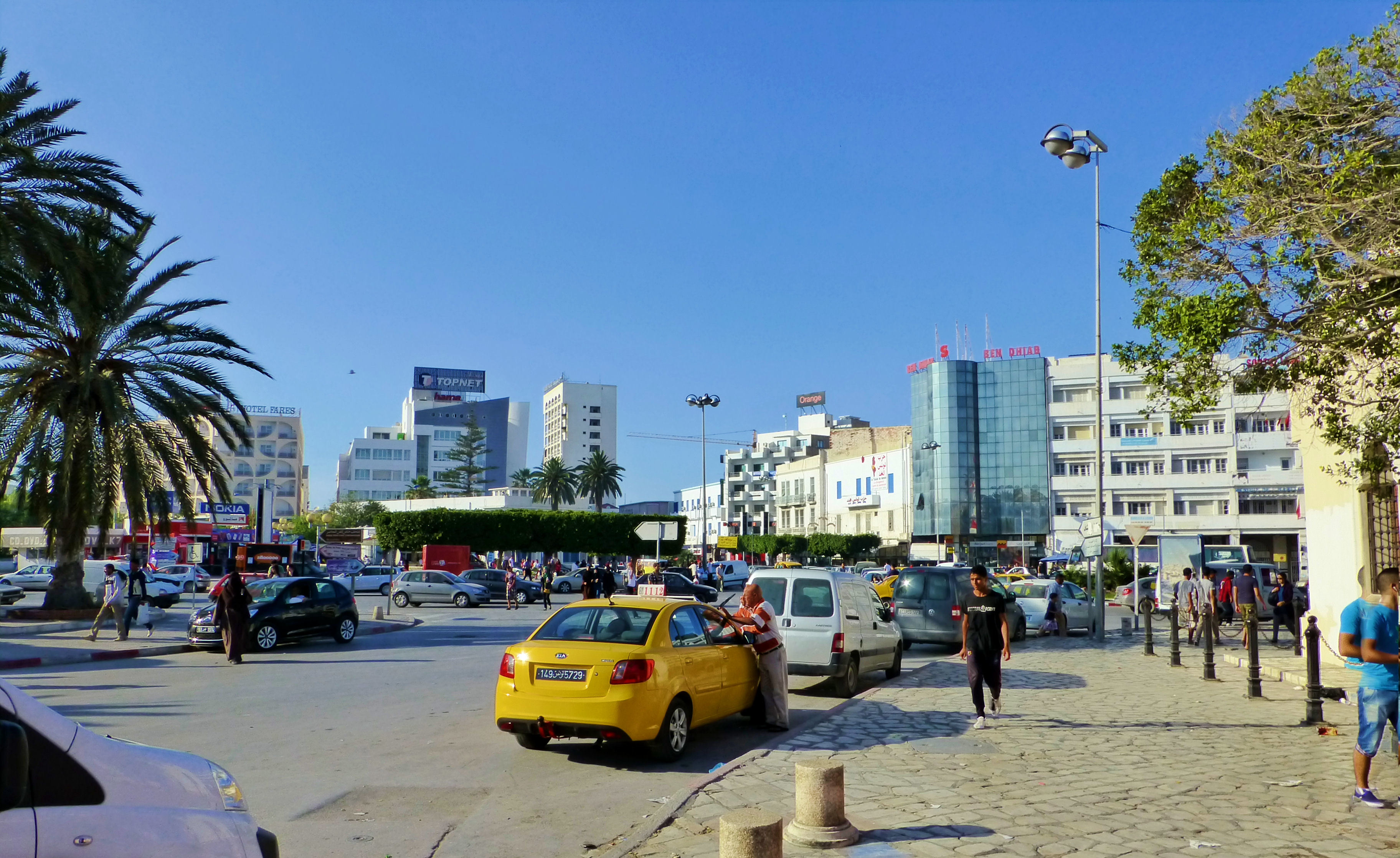
Sousse Scams to Avoid in 2026 (Tunisia)
Sousse is Tunisia's third most visited city, anchoring a coastal resort strip that draws European package tourists to its medina, beaches, and hotel zone north of the city centre. The medina and tourist market generate consistent overcharging, carpet shop pressure sales, and unofficial guide services targeting visitors who enter on foot. Post-2015 security improvements have restored significant tourism, but the informal economy targeting foreign visitors remains active year-round.
Risk Index
5.2
out of 10
Scams
14
documented
High Severity
1
7% of total
5.2
Risk Index
14
Scams
1
High Risk
Traveler Context
What Travellers Should Know About Scams in Sousse
Sousse has 14 documented tourist-targeted scams in our database, concentrated around street scams (4 reports). The most consistently reported individual pattern is Phishing SMS Posing as Tunisian Bank — Tourists who have used local ATMs in Sousse receive SMS messages appearing to come from Tunisian banks such as Banque de Tunisie or Attijari Bank, claiming their card has been flagged for suspicious activity.
Specific documented risk areas include Not location-specific — SMS is sent to any tourist mobile number that has been used at ATMs or purchase terminals across Sousse and the broader Sahel coastal region; Sousse port entrance, Boujaffar Beach taxi rank, and outside the medina on Avenue Habib Bourguiba; Throughout Sousse medina, especially along Rue dAngleterre and the souks near the Great Mosque. A separate but related pattern is Taxi No-Meter Overcharge: Taxi drivers in Sousse routinely claim their meter is broken or simply ignore it when picking up tourists, especially near the port and hotel zone. The single most effective protection across these patterns: Banks never ask for card PINs or full card numbers via SMS. If you receive such a message, ignore it and call the international number on the back of your card directly.
Phishing SMS Posing as Tunisian Bank
Tourists who have used local ATMs in Sousse receive SMS messages appearing to come from Tunisian banks such as Banque de Tunisie or Attijari Bank, claiming their card has been flagged for suspicious activity. The message contains a link to a spoofed bank login page designed to harvest card details. This scam increases in frequency during summer when millions of foreign visitors use local banking infrastructure.
Not location-specific — SMS is sent to any tourist mobile number that has been used at ATMs or purchase terminals across Sousse and the broader Sahel coastal region
How to avoid: Banks never ask for card PINs or full card numbers via SMS. If you receive such a message, ignore it and call the international number on the back of your card directly.
Key Risk Areas
Where These Scams Are Most Active
Specific areas and landmarks with the highest concentration of documented incidents in Sousse.
Phishing SMS Posing as Tunisian Bank
Online ScamsNot location-specific — SMS is sent to any tourist mobile number that has been used at ATMs or purchase terminals across Sousse and the broader Sahel coastal region
Taxi No-Meter Overcharge
Taxi & TransportSousse port entrance, Boujaffar Beach taxi rank, and outside the medina on Avenue Habib Bourguiba
Medina Carpet Shop Pressure
Street ScamsThroughout Sousse medina, especially along Rue dAngleterre and the souks near the Great Mosque
Fake Guide to Kasbah Museum
Tour & ActivitiesAt the Sousse Kasbah Museum entrance near the medina walls, and along Rue du Rempart
Money Exchange Shortchange
Money & ATM ScamsNear the medina entrance gates and along Avenue Mohamed V in the city center
Fake Apartment Rental Near Port El Kantaoui
Online ScamsFake listings typically claim to be in the Port El Kantaoui marina district or along Boulevard du 7 Novembre, the main hotel strip in Sousse
Safety Checklist
Quick Safety Tips for Sousse
Key precautions based on the most frequently reported scams here.
- Banks never ask for card PINs or full card numbers via SMS. If you receive such a message, ignore it and call the international number on the back of your card directly.
- Always insist on the meter before entering the cab. If the driver refuses, find another taxi. Agree on a fixed price in advance only as a last resort, and confirm it before moving.
- Decline all offers from strangers to show you their family shop or a local craft exhibition. If you enter a shop, set a firm budget and be prepared to leave without buying.
- Purchase tickets directly at the museum kiosk and enter without accepting help from people outside. Official guides wear visible identification and are hired only at the information desk inside.
- Use only licensed exchange bureaux or bank ATMs. Always count your money before walking away from any exchange, and refuse to be rushed.
FAQ
Sousse Safety — Frequently Asked Questions
What scams target tourists in Sousse?
Are taxis safe in Sousse?
Is Sousse safe at night for tourists?
Which areas of Sousse should tourists be most careful in?
How can I avoid being scammed in Sousse?
Sousse · Tunisia · North Africa
Open in Maps →1
High Risk
6
Medium Risk
7
Low Risk
14
Total
Showing 14 scams · sorted by frequency
Click any card to expand
Browse by Type
Scam Types in Sousse
Filter by category — or read worldwide guides for each scam type including taxi scams, street scams, and more.
Street Scams
4 scamsMedina Carpet Shop Pressure
Beach Vendor Pressure Selling
Fake Friendship Leading to Shop
Henna Tattoo Overcharge
Restaurant Scams
2 scamsBeach Hotel Bar Tab Padding
Overpriced Tourist Restaurant
Accommodation Scams
1 scamsHotel Zone Overpriced Excursion Desk
Online Scams
2 scams1 high severity
Phishing SMS Posing as Tunisian Bank
Fake Apartment Rental Near Port El Kantaoui
Tour & Activities
2 scamsFake Guide to Kasbah Museum
Camel Ride Bait-and-Switch
Compare with nearby destinations
Region
More destinations in North Africa
Editorial note: Scam warnings for Sousse are compiled from government travel advisories (US State Dept, UK FCDO, Australian DFAT), verified news sources, travel community reports, and traveler-submitted incidents. All entries are reviewed for accuracy and local specificity before publication. Read our full methodology →