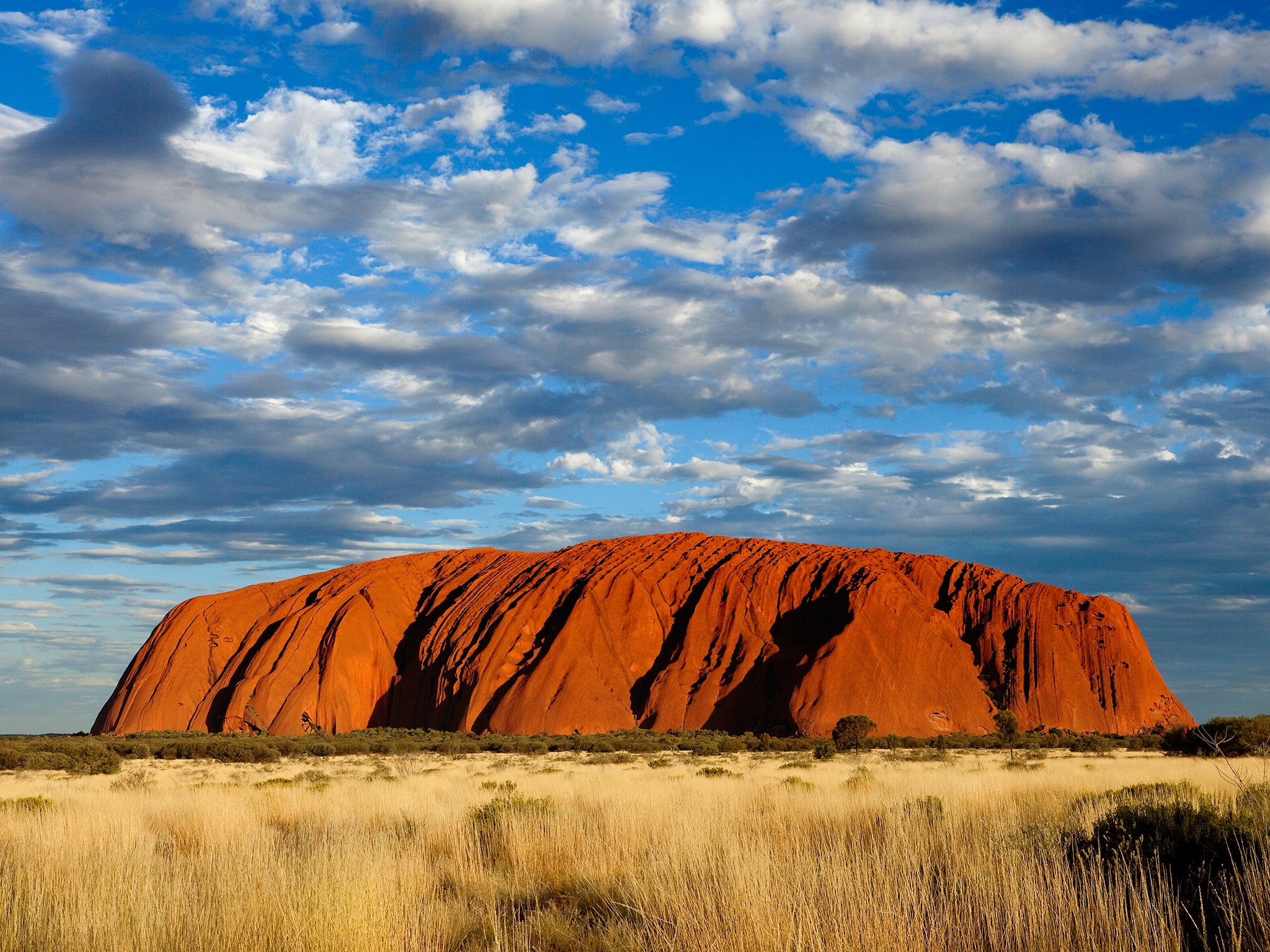
Uluru Scams to Avoid in 2026 (Australia)
Uluru (Ayers Rock) is a sacred Anangu site and Australia's most iconic natural landmark, visited from the resort town of Yulara for sunrise and sunset viewing, the Field of Light, and Kata Tjuta. It is a remote, safe destination where almost everything runs through a single resort operator, so the risks are tour and booking overcharging, remote-driving issues, and Aboriginal-art authenticity rather than crime.
Risk Index
5.0
out of 10
Scams
8
documented
High Severity
0
0% of total
5.0
Risk Index
8
Scams
0
High Risk
Traveler Context
What Travellers Should Know About Scams in Uluru
Uluru carries 8 documented tourist scams in our database — none classified high severity, but the volume of medium-severity reports (4 of 8) reflects an active tourist-fraud environment that travellers should know in advance. Opportunistic tourist fraud accounts for the largest share (3 reports), led by Overpriced or oversold viewing tours: Sunrise, sunset, and Field of Light tours are sold at a wide range of prices and sometimes oversold, with some third-party listings marking up or misrepresenting what is included.
Specific documented risk areas include Tour desks at Ayers Rock Resort (Yulara) and online listings; Online 'deal' sites and third-party listings for Uluru and Yulara; Car-rental depots at the airport and Yulara. A separate but related pattern is Fake or overpriced online tour and accommodation bookings: Non-existent or misrepresented 'deals' for tours and the limited Yulara accommodation take deposits, exploiting the area's single-resort scarcity. The single most effective protection across these patterns: Compare prices, book through the official resort or reputable operators, and confirm exactly what each tour includes.
Overpriced or oversold viewing tours
Sunrise, sunset, and Field of Light tours are sold at a wide range of prices and sometimes oversold, with some third-party listings marking up or misrepresenting what is included.
Tour desks at Ayers Rock Resort (Yulara) and online listings
How to avoid: Compare prices, book through the official resort or reputable operators, and confirm exactly what each tour includes.
Key Risk Areas
Where These Scams Are Most Active
Specific areas and landmarks with the highest concentration of documented incidents in Uluru.
Overpriced or oversold viewing tours
Tour & ActivitiesTour desks at Ayers Rock Resort (Yulara) and online listings
Fake or overpriced online tour and accommodation bookings
Online ScamsOnline 'deal' sites and third-party listings for Uluru and Yulara
Remote rental-car damage and insurance disputes
Other ScamsCar-rental depots at the airport and Yulara
Fake Aboriginal art authenticity
Other ScamsSouvenir outlets at Yulara and along the tourist route
Other Scams scams lead in Uluru
3 of 8 reported incidents fall in this category. See all 3 →
Safety Checklist
Quick Safety Tips for Uluru
Key precautions based on the most frequently reported scams here.
- Compare prices, book through the official resort or reputable operators, and confirm exactly what each tour includes.
- Book accommodation through the official Ayers Rock Resort and tours through reputable operators; avoid bank transfers.
- Photograph and video the car at pickup and return, and confirm in writing whether unsealed roads and breakdowns are covered.
- Buy from outlets that name the Indigenous artist and community and provide a certificate of authenticity.
- Use the resort's own shuttle, which covers the airport and viewing areas, and confirm prices first.
FAQ
Uluru Safety — Frequently Asked Questions
What scams target tourists in Uluru?
Are taxis safe in Uluru?
Is Uluru safe at night for tourists?
Which areas of Uluru should tourists be most careful in?
How can I avoid being scammed in Uluru?
Uluru · Australia · Oceania
Open in Maps →0
High Risk
4
Medium Risk
4
Low Risk
8
Total
Showing 8 scams · sorted by frequency
Click any card to expand
Browse by Type
Scam Types in Uluru
Filter by category — or read worldwide guides for each scam type including taxi scams, street scams, and more.
Online Scams
1 scamsFake or overpriced online tour and accommodation bookings
Tour & Activities
2 scamsOverpriced or oversold viewing tours
'Uluru climb experience' misinformation
Money & ATM Scams
1 scamsATM scarcity and dynamic currency conversion
Other Scams
3 scamsRemote rental-car damage and insurance disputes
Fake Aboriginal art authenticity
Remote-roadhouse fuel and breakdown overcharging
Compare with nearby destinations
Nearby
More destinations in Australia
Editorial note: Scam warnings for Uluru are compiled from government travel advisories (US State Dept, UK FCDO, Australian DFAT), verified news sources, travel community reports, and traveler-submitted incidents. All entries are reviewed for accuracy and local specificity before publication. Read our full methodology →