York Scams to Avoid in 2026 (United Kingdom)
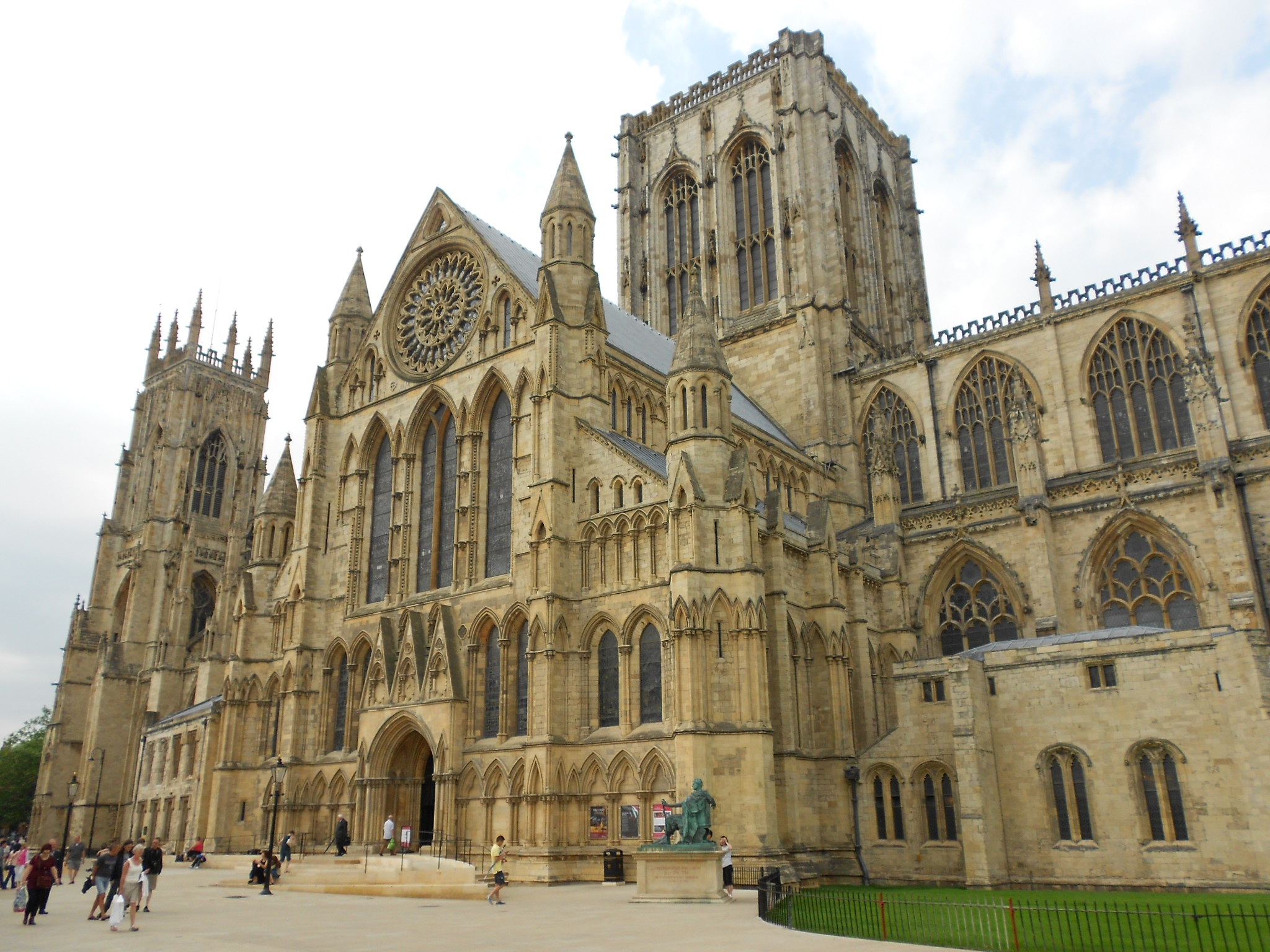
York is a walled medieval city in northern England known for York Minster, the Shambles cobbled lane, and the Jorvik Viking Centre. It''s a high-volume but generally low-crime tourist city — most "scams" are aggressive overcharging at tourist-strip restaurants and pubs, taxi-meter games at the train station, and ticket-resale fraud for major events. Pickpocketing rises during Race Week (June) and Christmas Market season.
Risk Index
4.1
out of 10
Scams
13
documented
High Severity
0
0% of total
4.1
Risk Index
13
Scams
0
High Risk
Traveler Context
What Travellers Should Know About Scams in York
York has 13 documented tourist-targeted scams in our database, concentrated around restaurant scams (3 reports). The most consistently reported individual pattern is Race Week Pickpocketing — During York Race Week (mid-June) and the August Ebor Meeting, pickpocket teams work the crowds along Coney Street and at the racecourse approaches.
Specific documented risk areas include Coney Street, Parliament Street, Knavesmire racecourse approaches during race meetings; Listings fraudulently advertise properties near The Shambles, Gillygate, Goodramgate, and Micklegate areas of York city centre; The Shambles itself, Shambles Market on Parliament Street, York Christmas Market around St. Sampson's Square, Micklegate Bar area during events. A separate but related pattern is Fake Holiday Let Listings Near York City Walls: Fraudulent short-term rental listings advertise charming cottages and apartments close to the York city walls and The Shambles at below-market prices. The single most effective protection across these patterns: Carry only what you need, in front pockets or zipped. Be aware of bumps and distractions in dense areas. Use cards rather than carrying large cash.
Race Week Pickpocketing
During York Race Week (mid-June) and the August Ebor Meeting, pickpocket teams work the crowds along Coney Street and at the racecourse approaches. Phones and wallets are lifted in the press of crowds outside pubs.
Coney Street, Parliament Street, Knavesmire racecourse approaches during race meetings
How to avoid: Carry only what you need, in front pockets or zipped. Be aware of bumps and distractions in dense areas. Use cards rather than carrying large cash.
Key Risk Areas
Where These Scams Are Most Active
Specific areas and landmarks with the highest concentration of documented incidents in York.
Race Week Pickpocketing
Street ScamsConey Street, Parliament Street, Knavesmire racecourse approaches during race meetings
Fake Holiday Let Listings Near York City Walls
Accommodation ScamsListings fraudulently advertise properties near The Shambles, Gillygate, Goodramgate, and Micklegate areas of York city centre
Pickpocketing on The Shambles and in Crowds
Street ScamsThe Shambles itself, Shambles Market on Parliament Street, York Christmas Market around St. Sampson's Square, Micklegate Bar area during events
Safety Checklist
Quick Safety Tips for York
Key precautions based on the most frequently reported scams here.
- Carry only what you need, in front pockets or zipped. Be aware of bumps and distractions in dense areas. Use cards rather than carrying large cash.
- Book through platforms that process payment on your behalf (Airbnb, Booking.com) rather than paying directly via bank transfer. Video call the host before booking to verify they can access the property. Be suspicious of prices significantly below comparable York accommodation.
- Wear your bag on your front or use a money belt when walking through The Shambles and Shambles Market. Keep your phone in a front pocket. Be alert to deliberate jostle-and-distract manoeuvres in the narrowest parts of the street.
- Walk 3-5 minutes off the tourist core (try Goodramgate, Walmgate). Check change. Real York pubs do not add service charges.
- Always book York Minster tickets directly at yorkminster.org and Jorvik at jorvikvikingcentre.co.uk. Search for the official website rather than clicking sponsored search results. The genuine sites never charge booking fees for advance purchases.
FAQ
York Safety — Frequently Asked Questions
What scams target tourists in York?
Are taxis safe in York?
Is York safe at night for tourists?
Which areas of York should tourists be most careful in?
How can I avoid being scammed in York?
York · United Kingdom · Europe
Open in Maps →0
High Risk
3
Medium Risk
10
Low Risk
13
Total
Showing 13 scams · sorted by frequency
Click any card to expand
Browse by Type
Scam Types in York
Filter by category — or read worldwide guides for each scam type including taxi scams, street scams, and more.
Street Scams
2 scamsRace Week Pickpocketing
Pickpocketing on The Shambles and in Crowds
Restaurant Scams
3 scamsTourist Pub Inflated Tab
Shambles "Free Sample" Pressure
Christmas Market "Special Mulled Wine" Markup
Accommodation Scams
1 scamsFake Holiday Let Listings Near York City Walls
Online Scams
1 scamsTicket Resale Sites for York Minster and Attractions
Tour & Activities
3 scamsYork Minster "Skip the Line" Resellers
Ghost Tour Multiple-Operator Confusion
Jorvik Centre "Combined Ticket" Upsell
Compare with nearby destinations
More about York
Safety guides for York
If you're visiting more than one destination
Similar scam patterns are active across United Kingdom. Before visiting Manchester, Blackpool, and Liverpool, review each city's guide — tactics vary and local setups differ even for the same scam type.
Nearby
More destinations in United Kingdom
Editorial note: Scam warnings for York are compiled from government travel advisories (US State Dept, UK FCDO, Australian DFAT), verified news sources, travel community reports, and traveler-submitted incidents. All entries are reviewed for accuracy and local specificity before publication. Read our full methodology →