Asunción Scams to Avoid in 2026 (Paraguay)
Asunción is Paraguay's capital and South America's least-visited capital city, a compact riverside city with colonial architecture and a growing tourism scene. The city serves as a transit point for travelers crossing between Argentina, Brazil, and Bolivia. Currency confusion (Paraguayan guaraní is one of the lowest-value currencies in the world), taxi overcharging, and informal market theft are the primary documented concerns for visitors.
Risk Index
6.9
out of 10
Scams
14
documented
High Severity
3
21% of total
6.9
Risk Index
14
Scams
3
High Risk
Traveler Context
What Travellers Should Know About Scams in Asunción
Asunción sits in our database with 14 documented tourist-targeted scams, 3 of which are rated high severity — meaning genuine financial loss or personal-safety risk if a traveller is caught unprepared. The defining pattern is street-level scams (4 of the 14 reports), with Mercado 4 Bag Snatching on Motorbike as the most consistently documented individual scam: Around Mercado 4, Asuncion main informal market, motorbike riders operate in pairs and snatch bags, phones, and cameras from pedestrians walking on the pavement.
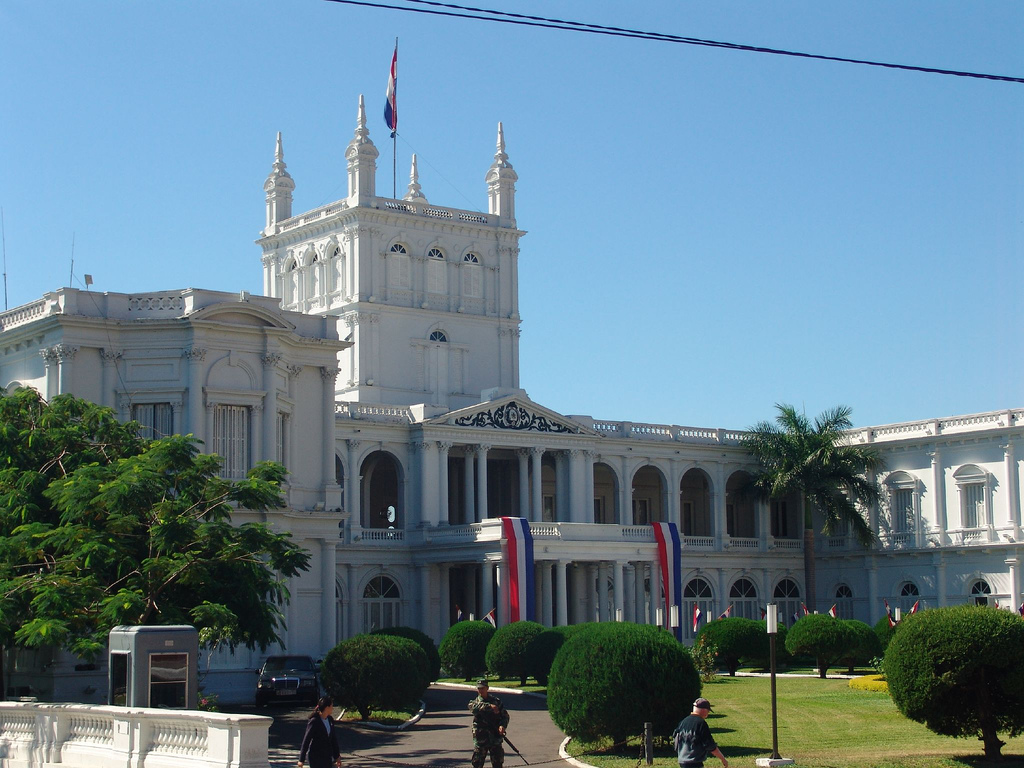
Specific documented risk areas include Avenida Pettirossi and surrounding streets adjacent to Mercado 4 in central Asuncion, and along Avenida Republica Argentina approaching the market from the south; Around Plaza de los Heroes and the Palacio de Gobierno on Avenida Mariscal Lopez, and along the downtown pedestrian zone on Calle Palma near the main tourist hotels; Outside the arrivals terminal of Aeropuerto Internacional Silvio Pettirossi in Luque (15km from Asuncion), and late-night pickup spots around hotels on Avenida Mariscal Lopez in the Villa Morra district. A separate but related pattern is False Police Officer Shakedown: A person in plain clothes or partial uniform near the Palacio de Gobierno and the downtown pedestrian zone stops tourists claiming to investigate counterfeit guarani or drug activity, demanding wallet and passport inspection. The single most effective protection across these patterns: Carry bags on the shoulder away from the road and keep phones in a front pocket or zipped compartment. Avoid using your phone while walking along kerbside pavements near Mercado 4. If you are targeted, do not resist — the physical risk is higher than the value of most stolen items.
Mercado 4 Bag Snatching on Motorbike
Around Mercado 4, Asuncion main informal market, motorbike riders operate in pairs and snatch bags, phones, and cameras from pedestrians walking on the pavement. The approach is from behind and the theft takes seconds, making pursuit impossible. Avenida Pettirossi and surrounding streets are known hotspots for this pattern.
Avenida Pettirossi and surrounding streets adjacent to Mercado 4 in central Asuncion, and along Avenida Republica Argentina approaching the market from the south
How to avoid: Carry bags on the shoulder away from the road and keep phones in a front pocket or zipped compartment. Avoid using your phone while walking along kerbside pavements near Mercado 4. If you are targeted, do not resist — the physical risk is higher than the value of most stolen items.
Key Risk Areas
Where These Scams Are Most Active
Specific areas and landmarks with the highest concentration of documented incidents in Asunción.
Mercado 4 Bag Snatching on Motorbike
Street ScamsAvenida Pettirossi and surrounding streets adjacent to Mercado 4 in central Asuncion, and along Avenida Republica Argentina approaching the market from the south
False Police Officer Shakedown
Other ScamsAround Plaza de los Heroes and the Palacio de Gobierno on Avenida Mariscal Lopez, and along the downtown pedestrian zone on Calle Palma near the main tourist hotels
Express Kidnapping by Pirate Taxi
Taxi & TransportOutside the arrivals terminal of Aeropuerto Internacional Silvio Pettirossi in Luque (15km from Asuncion), and late-night pickup spots around hotels on Avenida Mariscal Lopez in the Villa Morra district
Ciudad del Este Counterfeit Electronics Return Fraud
Street ScamsIndoor market buildings along Avenida San Blas and Calle Pai Perez in Ciudad del Este, particularly in the multi-floor electronics bazaars near the main bus terminal
Airport Taxi Overcharging
Taxi & TransportSilvio Pettirossi International Airport, Luque, approximately 15km northeast of central Asunción
Guaraní Currency Confusion
Money & ATM ScamsMercado 4, downtown commercial streets along Palma and Estrella, and informal exchange booths near the bus terminal
Safety Checklist
Quick Safety Tips for Asunción
Key precautions based on the most frequently reported scams here.
- Carry bags on the shoulder away from the road and keep phones in a front pocket or zipped compartment. Avoid using your phone while walking along kerbside pavements near Mercado 4. If you are targeted, do not resist — the physical risk is higher than the value of most stolen items.
- Real Paraguayan National Police wear full uniform and carry ID. Ask to walk together to the nearest comisaria if you are stopped. Genuine officers accept this; scammers refuse. Keep a decoy wallet with a small amount of cash separate from your main funds.
- Book airport transfers through your hotel or a licensed radio taxi service called in advance. Avoid unmarked vehicles at the airport kerbside. Sit in the back seat, keep your phone accessible, and share your live location with someone before departure. Do not use taxis that solicit you in the arrivals hall.
- Open and test every electronic item before leaving the shop, regardless of pressure from the seller. Check the serial number on the box matches the device. Buy from shops that provide a printed receipt and have a physical storefront rather than a temporary stall. Keep the receipt for any warranty claim.
- Use only the official taxi counter inside the arrivals terminal with a printed receipt. Agree on the fare before entering any vehicle. Rideshare apps such as inDriver operate in Asunción and offer a safer alternative.
FAQ
Asunción Safety — Frequently Asked Questions
What scams target tourists in Asunción?
Are taxis safe in Asunción?
Is Asunción safe at night for tourists?
Which areas of Asunción should tourists be most careful in?
How can I avoid being scammed in Asunción?
Asunción · Paraguay · South America
Open in Maps →3
High Risk
9
Medium Risk
2
Low Risk
14
Total
Showing 14 scams · sorted by frequency
Click any card to expand
Browse by Type
Scam Types in Asunción
Filter by category — or read worldwide guides for each scam type including taxi scams, street scams, and more.
Taxi & Transport
2 scams1 high severity
Express Kidnapping by Pirate Taxi
Airport Taxi Overcharging
Street Scams
4 scams1 high severity
Mercado 4 Bag Snatching on Motorbike
Ciudad del Este Counterfeit Electronics Return Fraud
Mercado 4 Pickpocketing
Fake Collectible Guaraní Coins
Tour & Activities
2 scamsUnofficial City Tour Overcharging
Unofficial City Guide Overcharge
Money & ATM Scams
2 scamsGuaraní Currency Confusion
ATM Skimming in Commercial Areas
Compare with nearby destinations
More about Asunción
Safety guides for Asunción
If you're visiting more than one destination
Similar scam patterns are active across South America. Before visiting Salvador, Buenos Aires, and Medellín, review each city's guide — tactics vary and local setups differ even for the same scam type.
Region
More destinations in South America
Editorial note: Scam warnings for Asunción are compiled from government travel advisories (US State Dept, UK FCDO, Australian DFAT), verified news sources, travel community reports, and traveler-submitted incidents. All entries are reviewed for accuracy and local specificity before publication. Read our full methodology →