Isfahan Scams to Avoid in 2026 (Iran)
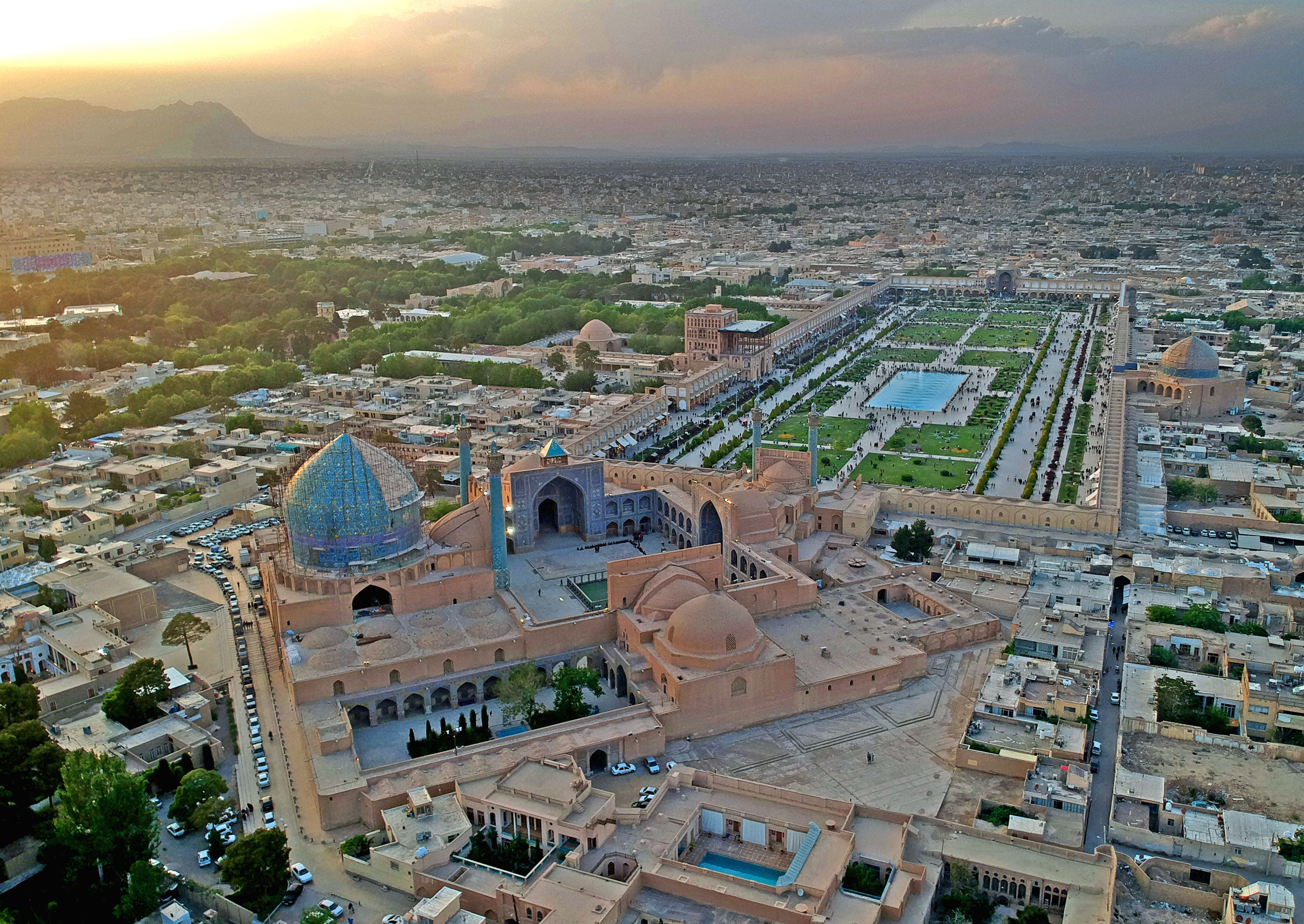
Isfahan draws millions of visitors to Naqsh-e Jahan Square (Imam Square) — one of the largest public squares in the world — along with the Sheikh Lotfollah Mosque, Ali Qapu Palace, and the Zayandeh River bridges including the iconic Si-o-Seh Pol (Bridge of 33 Arches). As Iran's premier tourist destination, the city concentrates both extraordinary Persian hospitality and a well-developed carpet-trade pressure ecosystem, particularly in the arcaded shops ringing Imam Square. Iran's financial isolation from the international banking system means all foreign visitors must carry sufficient hard currency in cash, creating unique money-handling vulnerabilities that scammers specifically exploit.
Risk Index
6.7
out of 10
Scams
14
documented
High Severity
2
14% of total
6.7
Risk Index
14
Scams
2
High Risk
Traveler Context
What Travellers Should Know About Scams in Isfahan
Isfahan has 14 documented tourist-targeted scams in our database, concentrated around street scams (3 reports). The most consistently reported individual pattern is Black Market Currency Exchange Fraud — Unofficial money changers near Naghsh-e Jahan Square and the Grand Bazaar offer rates significantly above the official bank rate, exploiting the gap between the official and open-market exchange rates in Iran.
Specific documented risk areas include Naghsh-e Jahan Square perimeter and covered walkways of the Grand Bazaar of Isfahan; also common around the entrance to Ali Qapu Palace; Fraudulent sites target visitors searching for "Isfahan tours" or "Chahar Bagh Bazaar guided tour" on Google; booking confirmation emails often reference Naghsh-e Jahan Square meetup points; Inside and around the Bazar-e Bozorg on the north side of Naqsh-e Jahan Square (Imam Square); shops along the covered arcade leading to the Ali Qapu Palace entrance. A separate but related pattern is Fake Isfahan Tour Booking Websites: Fraudulent websites mimicking legitimate Isfahan tour operators offer discounted Persian garden tours, UNESCO site packages, and Chahar Bagh hotel deals. The single most effective protection across these patterns: Exchange currency only at licensed exchange offices (sarrafi) displaying official certification, or at your hotel. Always count every note immediately and do not let the bundle leave your sight. Avoid anyone who approaches you on the street offering exchange services.
Black Market Currency Exchange Fraud
Unofficial money changers near Naghsh-e Jahan Square and the Grand Bazaar offer rates significantly above the official bank rate, exploiting the gap between the official and open-market exchange rates in Iran. Some changers use sleight-of-hand to swap high-denomination notes for counterfeits, or short-count the bundle while distracting visitors. Transactions are illegal and offer no recourse if you are defrauded.
Naghsh-e Jahan Square perimeter and covered walkways of the Grand Bazaar of Isfahan; also common around the entrance to Ali Qapu Palace
How to avoid: Exchange currency only at licensed exchange offices (sarrafi) displaying official certification, or at your hotel. Always count every note immediately and do not let the bundle leave your sight. Avoid anyone who approaches you on the street offering exchange services.
Key Risk Areas
Where These Scams Are Most Active
Specific areas and landmarks with the highest concentration of documented incidents in Isfahan.
Black Market Currency Exchange Fraud
Money & ATM ScamsNaghsh-e Jahan Square perimeter and covered walkways of the Grand Bazaar of Isfahan; also common around the entrance to Ali Qapu Palace
Fake Isfahan Tour Booking Websites
Online ScamsFraudulent sites target visitors searching for "Isfahan tours" or "Chahar Bagh Bazaar guided tour" on Google; booking confirmation emails often reference Naghsh-e Jahan Square meetup points
Carpet Shop Pressure Scam
Street ScamsInside and around the Bazar-e Bozorg on the north side of Naqsh-e Jahan Square (Imam Square); shops along the covered arcade leading to the Ali Qapu Palace entrance
Currency Exchange Confusion (Toman vs Rial)
Money & ATM ScamsBazar-e Bozorg (Grand Bazaar) and street exchangers near Naqsh-e Jahan Square (Imam Square); also informal dealers around Chahar Bagh Abbas Avenue
Friendly Local Commission Guide
Street ScamsOutside the Sheikh Lotfollah Mosque and Ali Qapu Palace on Naqsh-e Jahan Square; also near the entrance to the Jameh Mosque off the bazaar
Airport Taxi Overcharge from IFN
Taxi & TransportIsfahan International Airport (IFN) arrivals hall and the car park immediately outside; also applies to the return journey from city hotels when taxis are hailed from the street
Safety Checklist
Quick Safety Tips for Isfahan
Key precautions based on the most frequently reported scams here.
- Exchange currency only at licensed exchange offices (sarrafi) displaying official certification, or at your hotel. Always count every note immediately and do not let the bundle leave your sight. Avoid anyone who approaches you on the street offering exchange services.
- Book only through operators with verifiable physical addresses in Isfahan, ideally with an Iranian cultural tourism license number. Avoid any site that asks for bank wire or crypto payment. Use international booking platforms with buyer protection when possible.
- Treat any "free tea and look" invitation with caution. Research carpet prices before visiting — hand-knotted Isfahan silk carpets have a known market price range. Never commit to a purchase the same day; walk away if pressure intensifies. Avoid shops recommended by strangers who approached you on the street.
- Always clarify whether a price is in toman or rial, and write it down. Use licensed sarafi exchange bureaus on Chahar Bagh Abbas Avenue rather than street exchangers. Count all notes carefully before leaving any exchange point.
- Be politely skeptical of unsolicited guidance from strangers near tourist sites. If you want a local guide, hire only licensed guides through your hotel or the Isfahan Tourism Office. Feel free to chat with locals but decline shopping invitations from people you just met.
FAQ
Isfahan Safety — Frequently Asked Questions
What scams target tourists in Isfahan?
Are taxis safe in Isfahan?
Is Isfahan safe at night for tourists?
Which areas of Isfahan should tourists be most careful in?
How can I avoid being scammed in Isfahan?
Isfahan · Iran · Middle East
Open in Maps →2
High Risk
10
Medium Risk
2
Low Risk
14
Total
Showing 14 scams · sorted by frequency
Click any card to expand
Browse by Type
Scam Types in Isfahan
Filter by category — or read worldwide guides for each scam type including taxi scams, street scams, and more.
Street Scams
3 scamsCarpet Shop Pressure Scam
Friendly Local Commission Guide
Overly Generous Hospitality Leading to Obligation
Restaurant Scams
1 scamsTea House Overcharging near Si-o-Seh Pol
Accommodation Scams
2 scamsDual-Track Hotel Pricing for Foreigners
Hotel Booking Misinformation
Online Scams
1 scams1 high severity
Fake Isfahan Tour Booking Websites
Tour & Activities
2 scamsFake or Unlicensed Bazaar Guide
Photography Fee Demand at Monuments
Money & ATM Scams
2 scams1 high severity
Black Market Currency Exchange Fraud
Currency Exchange Confusion (Toman vs Rial)
Other Scams
2 scamsSouvenir Shop Gem and Turquoise Fraud
Antique and Handicraft Forgery
Compare with nearby destinations
Region
More destinations in Middle East
Editorial note: Scam warnings for Isfahan are compiled from government travel advisories (US State Dept, UK FCDO, Australian DFAT), verified news sources, travel community reports, and traveler-submitted incidents. All entries are reviewed for accuracy and local specificity before publication. Read our full methodology →