Kaohsiung Scams to Avoid in 2026 (Taiwan)
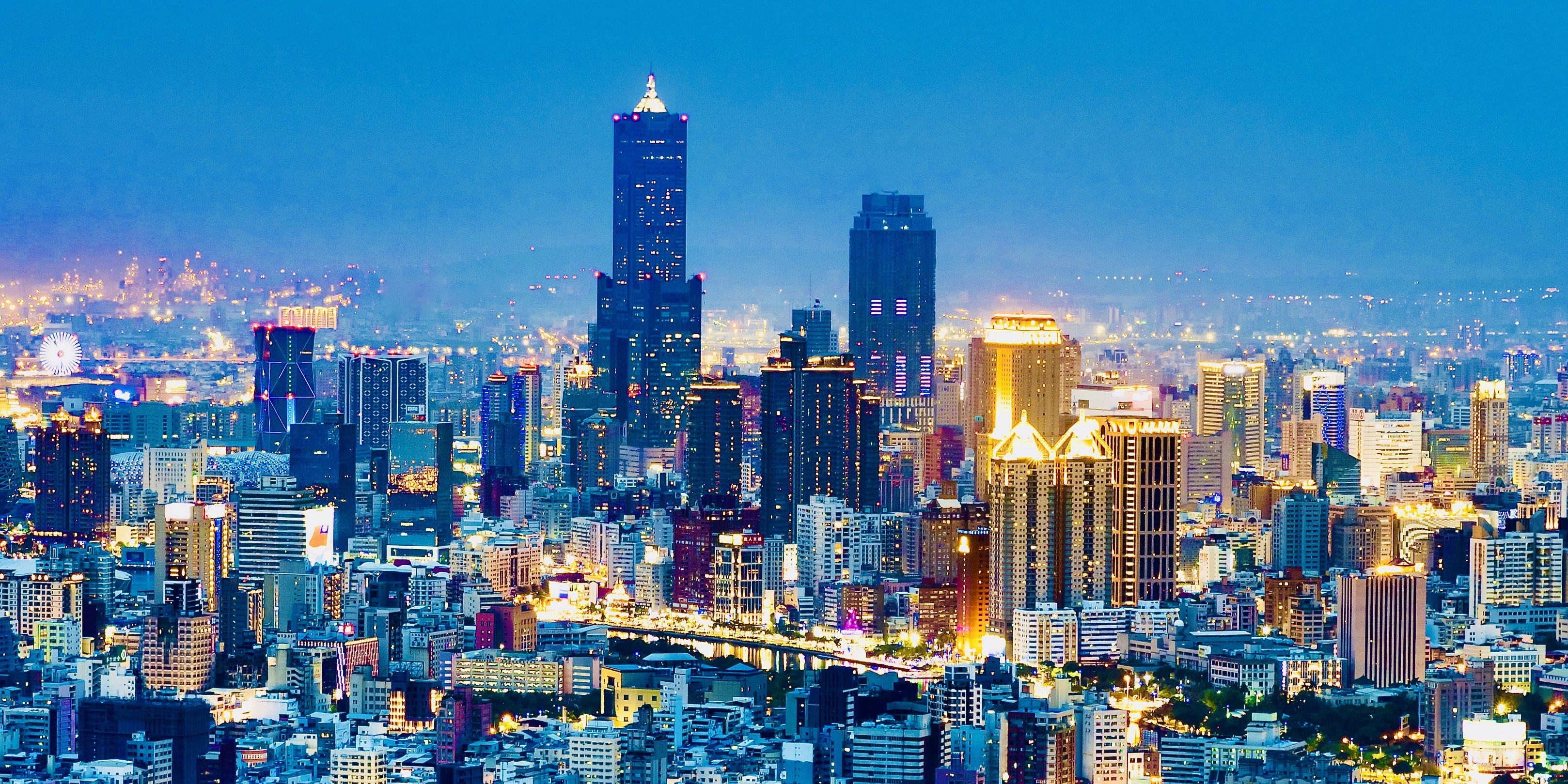
Kaohsiung is Taiwan's second city and major port, known for its harbor area, the Lotus Pond temples, and vibrant night market scene. Less visited than Taipei, the city has a lower scam density but sees tourist-facing issues in the Liuhe Night Market, taxi overcharging, and overpriced accommodation during major events. The night market scene generates short-changing and quality misrepresentation in food stalls.
Risk Index
6.0
out of 10
Scams
14
documented
High Severity
1
7% of total
6.0
Risk Index
14
Scams
1
High Risk
Traveler Context
What Travellers Should Know About Scams in Kaohsiung
Kaohsiung has 14 documented tourist-targeted scams in our database, concentrated around street scams (4 reports). The most consistently reported individual pattern is LINE App Investment and Romance Scam — Foreign visitors and expats in Kaohsiung are targeted through LINE messaging app, where scammers posing as local friends or romantic interests introduce them to fake investment platforms, particularly cryptocurrency or forex schemes.
Specific documented risk areas include Primarily online via LINE app; scammers often claim to be based in Kaohsiung Zuoying or Sanmin District; victims located throughout Kaohsiung; Liuhe Night Market on Liuhe 2nd Road, Ruifeng Night Market in Zuoying District, narrow stall lanes; Kaohsiung International Airport arrival hall and the taxi pickup zone on the ground floor. A separate but related pattern is Night Market Phone Snatching: Kaohsiung's Liuhe Night Market and Ruifeng Night Market see targeted phone and bag snatching in the dense pedestrian crowds. The single most effective protection across these patterns: Be skeptical of investment opportunities introduced through messaging apps by people you have only met online. Never send money or cryptocurrency to anyone you have not met in person and verified thoroughly. Consult a licensed financial advisor for investments.
LINE App Investment and Romance Scam
Foreign visitors and expats in Kaohsiung are targeted through LINE messaging app, where scammers posing as local friends or romantic interests introduce them to fake investment platforms, particularly cryptocurrency or forex schemes. Victims are shown fabricated profit dashboards and encouraged to invest increasing amounts. Withdrawals are denied once significant money is deposited.
Primarily online via LINE app; scammers often claim to be based in Kaohsiung Zuoying or Sanmin District; victims located throughout Kaohsiung
How to avoid: Be skeptical of investment opportunities introduced through messaging apps by people you have only met online. Never send money or cryptocurrency to anyone you have not met in person and verified thoroughly. Consult a licensed financial advisor for investments.
Key Risk Areas
Where These Scams Are Most Active
Specific areas and landmarks with the highest concentration of documented incidents in Kaohsiung.
LINE App Investment and Romance Scam
Online ScamsPrimarily online via LINE app; scammers often claim to be based in Kaohsiung Zuoying or Sanmin District; victims located throughout Kaohsiung
Night Market Phone Snatching
Street ScamsLiuhe Night Market on Liuhe 2nd Road, Ruifeng Night Market in Zuoying District, narrow stall lanes
Airport Taxi Overcharging
Taxi & TransportKaohsiung International Airport arrival hall and the taxi pickup zone on the ground floor
Liuhe Night Market Short-Changing and Overpricing
Money & ATM ScamsLiuhe Night Market (Liuhe Tourist Night Market), running along Liuhe 2nd Road in the Xinxing district near Kaohsiung Main Station
Tourist Seafood Restaurant Overcharging Near the Harbor
Restaurant ScamsSeafood restaurant row along the Cijin Island waterfront and near the Gushan Ferry Terminal in Gushan district
Fake Antiques and Jade at Flea Markets
Street ScamsInformal antique and flea markets near Yanchengpu district and occasional weekend markets near Pier-2 Art Center in Yancheng
Safety Checklist
Quick Safety Tips for Kaohsiung
Key precautions based on the most frequently reported scams here.
- Be skeptical of investment opportunities introduced through messaging apps by people you have only met online. Never send money or cryptocurrency to anyone you have not met in person and verified thoroughly. Consult a licensed financial advisor for investments.
- Use a wrist strap on your phone in night market crowds. Keep bags zipped and in front of your body. Be alert to anyone who bumps into you from behind — check your pockets immediately. Avoid holding your phone at your side while walking through narrow market lanes.
- Use the official metered taxi rank outside arrivals or take the Kaohsiung MRT from the airport directly into the city center — the station is connected to the terminal. If taking a taxi, insist on the meter before entering. The metered fare to the city center should be approximately NTD 200–350.
- Point to menu prices before ordering to confirm what you are paying. Count your change before walking away from any stall. Learning "how much is this?" in Mandarin (duoshao qian?) and having the vendor show you the price rather than quote it verbally reduces discrepancies.
- Always ask the price per unit and the approximate total before ordering any live seafood or weight-priced items. Request that the restaurant weigh the item and show you the price on the scale before cooking. Restaurants one or two streets back from the waterfront generally charge significantly less for equivalent seafood.
FAQ
Kaohsiung Safety — Frequently Asked Questions
What scams target tourists in Kaohsiung?
Are taxis safe in Kaohsiung?
Is Kaohsiung safe at night for tourists?
Which areas of Kaohsiung should tourists be most careful in?
How can I avoid being scammed in Kaohsiung?
Kaohsiung · Taiwan · East Asia
Open in Maps →1
High Risk
9
Medium Risk
4
Low Risk
14
Total
Showing 14 scams · sorted by frequency
Click any card to expand
Browse by Type
Scam Types in Kaohsiung
Filter by category — or read worldwide guides for each scam type including taxi scams, street scams, and more.
Taxi & Transport
2 scamsAirport Taxi Overcharging
Illegal Motorcycle Taxi Overcharging Near Ferry Piers
Street Scams
4 scamsNight Market Phone Snatching
Fake Antiques and Jade at Flea Markets
Fake Jade and Coral Jewelry at Liuhe Market
Counterfeit Goods at Informal Market Stalls
Restaurant Scams
1 scamsTourist Seafood Restaurant Overcharging Near the Harbor
Accommodation Scams
1 scamsAccommodation Price Gouging During Events
Online Scams
2 scams1 high severity
LINE App Investment and Romance Scam
Fake Kaohsiung Day Trip Booking Sites
Tour & Activities
2 scamsUnofficial Tour Guide Approaches at Lotus Pond
Misleading Hotel Concierge Tour Packages
Money & ATM Scams
1 scamsLiuhe Night Market Short-Changing and Overpricing
Compare with nearby destinations
Region
More destinations in East Asia
Editorial note: Scam warnings for Kaohsiung are compiled from government travel advisories (US State Dept, UK FCDO, Australian DFAT), verified news sources, travel community reports, and traveler-submitted incidents. All entries are reviewed for accuracy and local specificity before publication. Read our full methodology →