Kobe Scams to Avoid in 2026 (Japan)
Kobe is Japan's historic international port city, built on cosmopolitan trade connections that brought foreign merchants and a distinct Western-influenced architecture still visible in the Kitano-cho Ijinkan district. The city attracts visitors primarily for its world-famous Kobe beef, Nankinmachi Chinatown, and scenic harbor at Meriken Park, making it a popular day trip from Osaka and Kyoto. Because Kobe's tourist economy is anchored heavily around high-value food experiences — particularly certified Kobe beef dining — the most prevalent consumer issues involve misleading beef labeling and overcharging in tourist-facing restaurants rather than street crime or organized fraud.
Risk Index
4.8
out of 10
Scams
14
documented
High Severity
0
0% of total
4.8
Risk Index
14
Scams
0
High Risk
Traveler Context
What Travellers Should Know About Scams in Kobe
Kobe has 14 documented tourist-targeted scams in our database, concentrated around street scams (3 reports). The most consistently reported individual pattern is Fake Kobe Beef Labeling — Restaurants and food stalls across Kobe — and throughout Japan — market dishes as "Kobe beef" when they are serving ordinary wagyu or imported beef that does not meet certification standards.
Specific documented risk areas include Concentrated in Kitano-cho on Kitanocho-dori near the Ijinkan foreign residences, Harborland tourist shopping complex, and Nankinmachi Chinatown on Motomachi-dori; also widespread at airport food courts at UKB Kobe Airport; Kitanocho-dori and the streets immediately surrounding the Ijinkan foreign residences (Weathercock House, Moegi House) in the Kitano-cho district, approximately a 15-minute walk north of Sannomiya Station; Sannomiya Station area, particularly the Kita-Nagasadori bar strip and the alley blocks east of Center-gai shopping street; also the Shinkaichi entertainment district west of Kobe Station. A separate but related pattern is Sannomiya Bar Entry and Hidden Charges: In the Sannomiya entertainment district around Sannomiya Station and the Kita-Nagasadori nightlife blocks, some bars and hostess-adjacent venues invite tourists in with promises of low-priced drinks or a "free first drink," then present bills that include undisclosed table charges (席料, sekiryo), snack fees, or service charges that were not mentioned at entry. The single most effective protection across these patterns: Check whether the restaurant appears on the official Kobe Beef Marketing and Distribution Promotion Association list of certified retailers (kobe-niku.or.jp). Certified restaurants display a hologram-sticker certificate. Be skeptical of any "Kobe beef" dish priced below ¥5,000 — it is almost certainly not certified.
Fake Kobe Beef Labeling
Restaurants and food stalls across Kobe — and throughout Japan — market dishes as "Kobe beef" when they are serving ordinary wagyu or imported beef that does not meet certification standards. Only beef from Tajima cattle raised in Hyogo Prefecture, slaughtered at designated facilities, and certified by the Kobe Beef Marketing and Distribution Promotion Association qualifies as genuine Kobe beef. A "Kobe beef burger" sold at a tourist stall for ¥1,500–2,000 cannot be certified Kobe beef; legitimate certified Kobe beef dishes start at approximately ¥8,000 for a lunch set at a registered restaurant.
Concentrated in Kitano-cho on Kitanocho-dori near the Ijinkan foreign residences, Harborland tourist shopping complex, and Nankinmachi Chinatown on Motomachi-dori; also widespread at airport food courts at UKB Kobe Airport
How to avoid: Check whether the restaurant appears on the official Kobe Beef Marketing and Distribution Promotion Association list of certified retailers (kobe-niku.or.jp). Certified restaurants display a hologram-sticker certificate. Be skeptical of any "Kobe beef" dish priced below ¥5,000 — it is almost certainly not certified.
Key Risk Areas
Where These Scams Are Most Active
Specific areas and landmarks with the highest concentration of documented incidents in Kobe.
Fake Kobe Beef Labeling
Restaurant ScamsConcentrated in Kitano-cho on Kitanocho-dori near the Ijinkan foreign residences, Harborland tourist shopping complex, and Nankinmachi Chinatown on Motomachi-dori; also widespread at airport food courts at UKB Kobe Airport
Kitano-cho Tourist Restaurant Overcharging
Restaurant ScamsKitanocho-dori and the streets immediately surrounding the Ijinkan foreign residences (Weathercock House, Moegi House) in the Kitano-cho district, approximately a 15-minute walk north of Sannomiya Station
Sannomiya Bar Entry and Hidden Charges
Other ScamsSannomiya Station area, particularly the Kita-Nagasadori bar strip and the alley blocks east of Center-gai shopping street; also the Shinkaichi entertainment district west of Kobe Station
Accommodation Price Gouging During Luminarie and Golden Week
Accommodation ScamsPrimarily affects hotels and guesthouses within walking distance of Meriken Park and the Luminarie route between Higashi Yuenchi Park and Motomachi; also hotels near Shin-Kobe Station used by shinkansen travelers during Golden Week
Taxi Overcharging from Kobe Airport (UKB)
Taxi & TransportKobe Airport (UKB) arrivals terminal on Port Island; also applies to taxis soliciting passengers at Kobe Harborland and Meriken Park waterfront for rides to Sannomiya or Shin-Kobe Station
Unofficial Port Tour Operators at Meriken Park
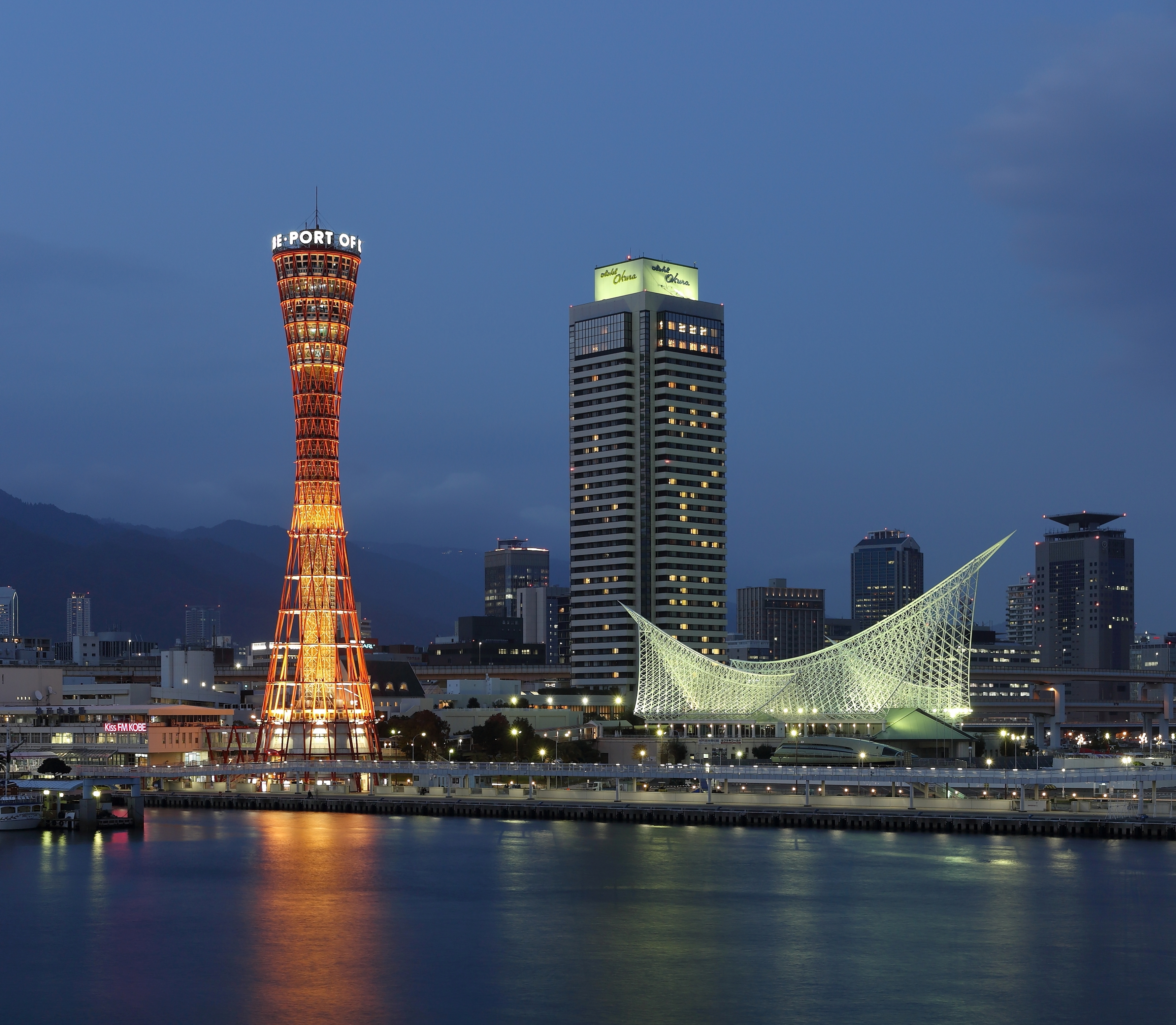
Tour & ActivitiesMeriken Park waterfront promenade near the Kobe Port Tower and Be Kobe sign; also along the Harborland waterfront boardwalk adjacent to Mosaic shopping center
Safety Checklist
Quick Safety Tips for Kobe
Key precautions based on the most frequently reported scams here.
- Check whether the restaurant appears on the official Kobe Beef Marketing and Distribution Promotion Association list of certified retailers (kobe-niku.or.jp). Certified restaurants display a hologram-sticker certificate. Be skeptical of any "Kobe beef" dish priced below ¥5,000 — it is almost certainly not certified.
- Always ask to see a written menu with prices before being seated. If a service charge (サービス料) is not listed on the menu, ask before ordering. A standard lunch in this district should cost ¥1,500–3,000; any verbal quote that differs substantially from posted prices is a red flag.
- Ask for a written menu with all charges listed before sitting down. Confirm whether a table charge or cover fee applies. Avoid venues where staff approach you on the street with verbal entry offers — legitimate bars in Sannomiya do not typically solicit tourists outside.
- Book accommodation at least 2–3 months in advance for Luminarie and Golden Week periods. Read the full cancellation and fee policy on the hotel's own website before confirming. If fees are not disclosed online, email the property to confirm the total charge in writing before arrival.
- Use the Port Liner monorail from Kobe Airport to Sannomiya (¥340, 18 minutes) — it is faster and cheaper than any taxi for most destinations in central Kobe. If you must take a taxi, use only the official metered taxi queue at the airport exit and never accept a flat-rate offer from someone approaching you inside the terminal.
FAQ
Kobe Safety — Frequently Asked Questions
What scams target tourists in Kobe?
Are taxis safe in Kobe?
Is Kobe safe at night for tourists?
Which areas of Kobe should tourists be most careful in?
How can I avoid being scammed in Kobe?
Kobe · Japan · East Asia
Open in Maps →0
High Risk
6
Medium Risk
8
Low Risk
14
Total
Showing 14 scams · sorted by frequency
Click any card to expand
Browse by Type
Scam Types in Kobe
Filter by category — or read worldwide guides for each scam type including taxi scams, street scams, and more.
Taxi & Transport
2 scamsTaxi Overcharging from Kobe Airport (UKB)
Shin-Kobe Station Taxi and Rickshaw Overpricing
Street Scams
3 scamsNankinmachi Bait-and-Switch Portion Sizes
Counterfeit Kobe Merchandise at Souvenir Shops
Counterfeit Goods and Pearl Jewellery Overpricing in Motomachi
Restaurant Scams
2 scamsFake Kobe Beef Labeling
Kitano-cho Tourist Restaurant Overcharging
Accommodation Scams
2 scamsAccommodation Price Gouging During Luminarie and Golden Week
Arima Onsen Ryokan Hidden Fees
Tour & Activities
1 scamsUnofficial Port Tour Operators at Meriken Park
Money & ATM Scams
2 scamsATM Skimming Near Kobe Harbourland and Meriken Park
Short-Change at Kitano-cho Currency Exchange
Compare with nearby destinations
Nearby
More destinations in Japan
Editorial note: Scam warnings for Kobe are compiled from government travel advisories (US State Dept, UK FCDO, Australian DFAT), verified news sources, travel community reports, and traveler-submitted incidents. All entries are reviewed for accuracy and local specificity before publication. Read our full methodology →