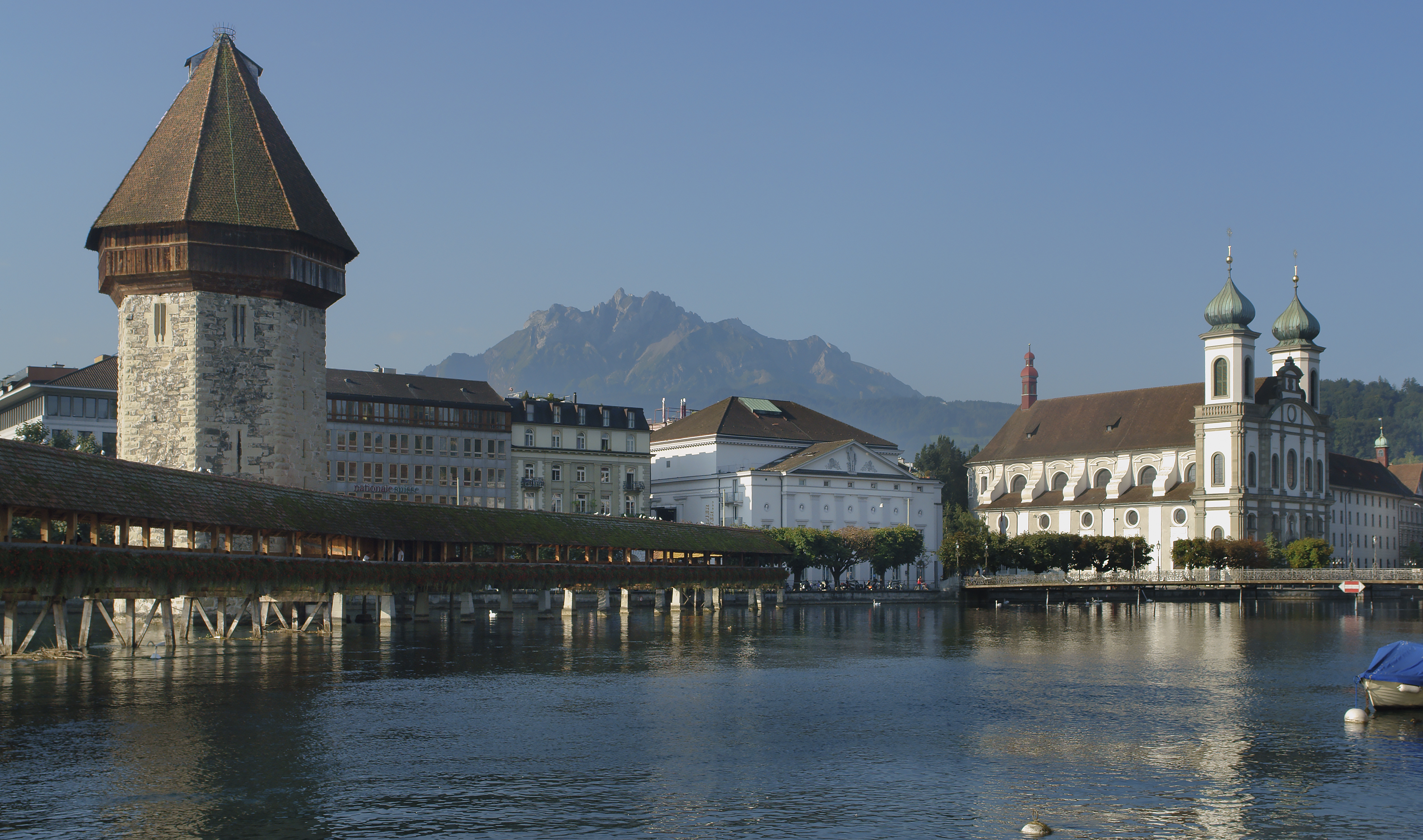
Lucerne Scams to Avoid in 2026 (Switzerland)
Lucerne is Switzerland's most-visited tourist city, set on Lake Lucerne beneath the Alps and known for the Chapel Bridge, the Lion Monument, and as a gateway to Mount Pilatus and Mount Rigi. The concentration of day-trippers and tour groups creates a busy market for overpriced excursions, counterfeit Swiss goods, and restaurant overcharging in the Old Town. Lucerne receives a disproportionate number of Asian tour groups, making it a specific target for certain scam operators.
Risk Index
6.0
out of 10
Scams
14
documented
High Severity
1
7% of total
6.0
Risk Index
14
Scams
1
High Risk
Traveler Context
What Travellers Should Know About Scams in Lucerne
Lucerne has 14 documented tourist-targeted scams in our database, concentrated around street scams (3 reports). The most consistently reported individual pattern is Pickpocket Gangs at Chapel Bridge and Schwanenplatz — Organized pickpocket gangs — some linked to criminal networks — operate at Lucerne's most photographed locations, particularly the Chapel Bridge (Kapellbrücke) and the adjacent Schwanenplatz square.
Specific documented risk areas include Chapel Bridge (Kapellbrücke) entrances on both the Old Town and Reuss river sides; Schwanenplatz square directly east of the bridge; Rathausquai promenade between the bridge and the Rathaus; Old Town souvenir shops between the Chapel Bridge and the train station; street vendors near Schweizerhofquai lakefront promenade; Area around Lucerne Hauptbahnhof (main train station), Schweizerhofquai lakefront, and Chapel Bridge plaza. A separate but related pattern is Overpriced Mountain Excursion Packages from Street Sellers: Touts near the train station and along the lakefront approach tourists offering discounted packages to Mount Pilatus, Mount Rigi, and other Alpine excursions. The single most effective protection across these patterns: Keep valuables in a front-facing crossbody bag or money belt, not a back pocket or open tote. Be especially vigilant when someone approaches you unsolicited near the bridge entrances. If you feel a nudge or deliberate contact, check your belongings immediately.
Pickpocket Gangs at Chapel Bridge and Schwanenplatz
Organized pickpocket gangs — some linked to criminal networks — operate at Lucerne's most photographed locations, particularly the Chapel Bridge (Kapellbrücke) and the adjacent Schwanenplatz square. Working in teams of two to four, they use distraction tactics such as bumping into tourists, asking for directions, or staging minor confrontations while accomplices target unattended bags, back pockets, and open totes. Swiss police carried out targeted arrests of gang members at these locations in September 2025 following a documented rise in tourist thefts.
Chapel Bridge (Kapellbrücke) entrances on both the Old Town and Reuss river sides; Schwanenplatz square directly east of the bridge; Rathausquai promenade between the bridge and the Rathaus
How to avoid: Keep valuables in a front-facing crossbody bag or money belt, not a back pocket or open tote. Be especially vigilant when someone approaches you unsolicited near the bridge entrances. If you feel a nudge or deliberate contact, check your belongings immediately.
Key Risk Areas
Where These Scams Are Most Active
Specific areas and landmarks with the highest concentration of documented incidents in Lucerne.
Pickpocket Gangs at Chapel Bridge and Schwanenplatz
Street ScamsChapel Bridge (Kapellbrücke) entrances on both the Old Town and Reuss river sides; Schwanenplatz square directly east of the bridge; Rathausquai promenade between the bridge and the Rathaus
Counterfeit Swiss Watches and Chocolates
Street ScamsOld Town souvenir shops between the Chapel Bridge and the train station; street vendors near Schweizerhofquai lakefront promenade
Overpriced Mountain Excursion Packages from Street Sellers
Tour & ActivitiesArea around Lucerne Hauptbahnhof (main train station), Schweizerhofquai lakefront, and Chapel Bridge plaza
Old Town Tourist-Trap Restaurant Pricing
Restaurant ScamsRestaurants immediately surrounding Chapel Bridge on both banks; Rathausquai and Unter der Egg restaurant row; tourist-facing eateries near the Lion Monument
Fake Swiss Travel Pass Websites
Online ScamsOnline — fraudulent websites surface via Google and social media ads targeting tourists planning Swiss itineraries from outside Switzerland; tickets are often redeemed at Lucerne Hauptbahnhof or on the Pilatus/Rigi mountain railways
Commission-Based Watch Shop Steering Near Lion Monument
Tour & ActivitiesLöwenstrasse and Pilatusstrasse watch shops near the Lion Monument; souvenir and watch retailers along Hertensteinstrasse in the Old Town; street touts operating between the train station and the Lion Monument
Safety Checklist
Quick Safety Tips for Lucerne
Key precautions based on the most frequently reported scams here.
- Keep valuables in a front-facing crossbody bag or money belt, not a back pocket or open tote. Be especially vigilant when someone approaches you unsolicited near the bridge entrances. If you feel a nudge or deliberate contact, check your belongings immediately.
- Purchase Swiss watches only from authorized brand retailers or department stores like Manor or Globus. For chocolate, buy directly from established confectioners like Heini or Bachmann in Lucerne rather than tourist souvenir shops. Verify the retailer's authorization before purchasing any branded item.
- Book mountain excursions directly through the official Pilatus-Bahnen or Rigi-Bahnen websites, or at official ticket counters at the train station. Compare prices on the official Swiss Travel System website before purchasing any package from a third-party seller. Avoid making purchases from individuals approaching you on the street.
- Walk one or two blocks away from the main Chapel Bridge tourist strip before choosing a restaurant. Always ask to see a full menu with all-inclusive pricing. Restaurants displaying menus in four or more languages without local clientele are reliably the most overpriced.
- Purchase the Swiss Travel Pass only from sbb.ch, myswitzerland.com, or the physical Swiss Travel Center counters. Verify the URL before entering payment details. Legitimate resellers are listed on the official Swiss Travel System website.
FAQ
Lucerne Safety — Frequently Asked Questions
What scams target tourists in Lucerne?
Are taxis safe in Lucerne?
Is Lucerne safe at night for tourists?
Which areas of Lucerne should tourists be most careful in?
How can I avoid being scammed in Lucerne?
Lucerne · Switzerland · Europe
Open in Maps →1
High Risk
9
Medium Risk
4
Low Risk
14
Total
Showing 14 scams · sorted by frequency
Click any card to expand
Browse by Type
Scam Types in Lucerne
Filter by category — or read worldwide guides for each scam type including taxi scams, street scams, and more.
Taxi & Transport
1 scamsTaxi Overcharging from Lucerne Train Station
Street Scams
3 scams1 high severity
Pickpocket Gangs at Chapel Bridge and Schwanenplatz
Counterfeit Swiss Watches and Chocolates
Fake Charity Collectors Near Chapel Bridge
Restaurant Scams
1 scamsOld Town Tourist-Trap Restaurant Pricing
Accommodation Scams
1 scamsHotel Lobby and Reception Theft by Distraction Teams
Online Scams
2 scamsFake Swiss Travel Pass Websites
Public Wi-Fi Credential Theft
Tour & Activities
3 scamsOverpriced Mountain Excursion Packages from Street Sellers
Commission-Based Watch Shop Steering Near Lion Monument
Overpriced Boat Tours from Street Touts
Money & ATM Scams
3 scamsATM Card Skimming Devices
Misleading Currency Exchange Near Train Station
Short-Changing in Souvenir Shops
Compare with nearby destinations
More about Lucerne
Safety guides for Lucerne
If you're visiting more than one destination
Similar scam patterns are active across Europe. Before visiting Interlaken, Hamburg, and Marseille, review each city's guide — tactics vary and local setups differ even for the same scam type.
Region
More destinations in Europe
Editorial note: Scam warnings for Lucerne are compiled from government travel advisories (US State Dept, UK FCDO, Australian DFAT), verified news sources, travel community reports, and traveler-submitted incidents. All entries are reviewed for accuracy and local specificity before publication. Read our full methodology →