Maui Scams to Avoid in 2026 (USA)
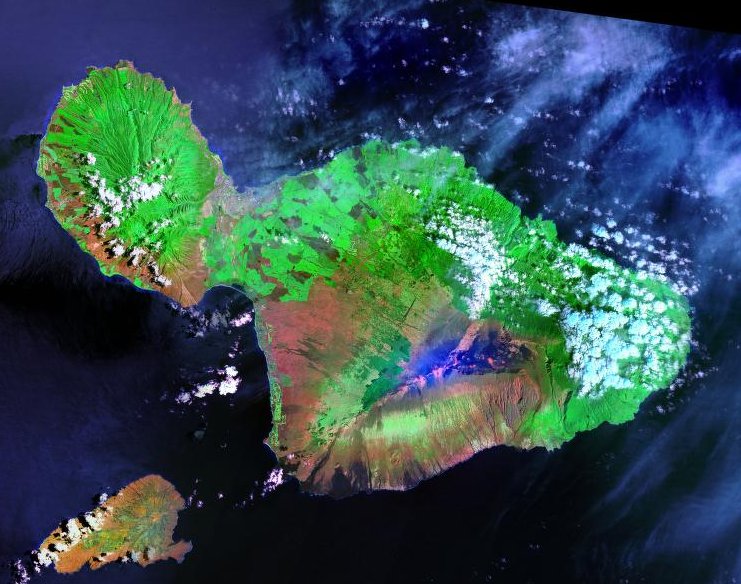
Maui is Hawaii's second-largest island, drawing over 3 million visitors annually to Kaanapali Beach, the Road to Hana, Haleakala crater, and Molokini Crater snorkel tours. The island's combination of remote geography, high tourist spending, and the economic disruption caused by the August 2023 Lahaina wildfires — which destroyed much of the historic town and tightened the rental housing supply — has intensified scam activity around accommodation bookings, tour packages, and activity desks. First-time visitors (malihini) unfamiliar with standard pricing are the most frequent targets, particularly those booking activities through hotel lobbies or third-party websites rather than directly with licensed operators.
Risk Index
5.8
out of 10
Scams
11
documented
High Severity
0
0% of total
5.8
Risk Index
11
Scams
0
High Risk
Traveler Context
What Travellers Should Know About Scams in Maui
Maui carries 11 documented tourist scams in our database — none classified high severity, but the volume of medium-severity reports (8 of 11) reflects an active tourist-fraud environment that travellers should know in advance. Tour-operator misrepresentation accounts for the largest share (5 reports), led by Timeshare "Free Activities" Bait: Street agents and kiosks at Whalers Village shopping center in Kaanapali and along resort corridors offer free luau tickets, snorkel gear, or activity vouchers in exchange for attending a "90-minute" vacation ownership presentation.
Specific documented risk areas include Whalers Village shopping center in Kaanapali; resort activity kiosks along Kaanapali Beach Hotel Row; hotel lobbies at the Hyatt Regency Maui, Marriott Maui Ocean Club, and Hilton Kaanapali Beach Resort; Primarily advertised online targeting visitors searching for West Maui and Lahaina-area properties; also affects listings in Kihei, Wailea, and Napili where displaced residents drove prices up sharply post-fire; Kahului Airport (OGG) rental car center on Keolani Place; off-airport rental operators along Dairy Road in Kahului; informal Craigslist rental offers that arrange pickup at the airport parking structure. A separate but related pattern is Post-Wildfire Vacation Rental Fraud: Since the August 2023 Lahaina wildfire eliminated thousands of housing units and triggered a countywide short-term rental crackdown, scammers have exploited the resulting supply shortage by listing non-existent or unavailable properties on Airbnb, Vrbo, and Craigslist at inflated prices. The single most effective protection across these patterns: Decline all unsolicited offers of free activities or gifts tied to a "short presentation." Book luau and activity tickets directly from the provider — the Old Lahaina Luau and Feast at Lele do not offer legitimate discounts through street agents. If you genuinely want to attend a timeshare presentation for the incentive, read all terms first and budget a full half-day.
Timeshare "Free Activities" Bait
Street agents and kiosks at Whalers Village shopping center in Kaanapali and along resort corridors offer free luau tickets, snorkel gear, or activity vouchers in exchange for attending a "90-minute" vacation ownership presentation. The sessions routinely run 3–4 hours and involve aggressive high-pressure sales tactics from multiple rotating salespeople. Vouchers are withheld until the presentation concludes and you formally decline, trapping visitors who planned to use the free tickets that same evening. Diamond Resorts, Hilton Vacation Club, and Hyatt Residence Club all operate presentations in the Kaanapali corridor.
Whalers Village shopping center in Kaanapali; resort activity kiosks along Kaanapali Beach Hotel Row; hotel lobbies at the Hyatt Regency Maui, Marriott Maui Ocean Club, and Hilton Kaanapali Beach Resort
How to avoid: Decline all unsolicited offers of free activities or gifts tied to a "short presentation." Book luau and activity tickets directly from the provider — the Old Lahaina Luau and Feast at Lele do not offer legitimate discounts through street agents. If you genuinely want to attend a timeshare presentation for the incentive, read all terms first and budget a full half-day.
Key Risk Areas
Where These Scams Are Most Active
Specific areas and landmarks with the highest concentration of documented incidents in Maui.
Timeshare "Free Activities" Bait
Tour & ActivitiesWhalers Village shopping center in Kaanapali; resort activity kiosks along Kaanapali Beach Hotel Row; hotel lobbies at the Hyatt Regency Maui, Marriott Maui Ocean Club, and Hilton Kaanapali Beach Resort
Post-Wildfire Vacation Rental Fraud
Accommodation ScamsPrimarily advertised online targeting visitors searching for West Maui and Lahaina-area properties; also affects listings in Kihei, Wailea, and Napili where displaced residents drove prices up sharply post-fire
Rental Car False Damage Claims
Other ScamsKahului Airport (OGG) rental car center on Keolani Place; off-airport rental operators along Dairy Road in Kahului; informal Craigslist rental offers that arrange pickup at the airport parking structure
Molokini Crater Tour Bait-and-Switch
Tour & ActivitiesMaalaea Harbor (the main departure point for Molokini tours, off Honoapi'ilani Highway between Kihei and Maalaea); also boats departing from Kihei Boat Ramp on South Kihei Road
"Free" Catamaran Cruise Timeshare Tie-In
Tour & ActivitiesSolicitation occurs at resort activity kiosks along Kaanapali Beach and inside Whalers Village shopping center; some operations run from booths near the Lahaina Harbor area (now limited post-wildfire)
Luau Ticket Third-Party Seller Scam
Tour & ActivitiesKiosk agents in Whalers Village, Kaanapali; unofficial booking websites discovered via paid Google ads; activity desks at budget hotels in Kihei and Lahaina-area condos
Tour & Activities scams lead in Maui
5 of 11 reported incidents fall in this category. See all 5 →
Safety Checklist
Quick Safety Tips for Maui
Key precautions based on the most frequently reported scams here.
- Decline all unsolicited offers of free activities or gifts tied to a "short presentation." Book luau and activity tickets directly from the provider — the Old Lahaina Luau and Feast at Lele do not offer legitimate discounts through street agents. If you genuinely want to attend a timeshare presentation for the incentive, read all terms first and budget a full half-day.
- Book only through major platforms (Airbnb, Vrbo) and never pay outside the platform. Verify the listing has recent reviews dated after August 2023. Cross-check the property address against Maui County's short-term rental permit database at mauicounty.gov. Be suspicious of any "Lahaina waterfront" listing — most of the waterfront area remains closed or under reconstruction. Never wire money or pay via Zelle, Venmo, or cash for a rental.
- Photograph every panel, bumper, rim, and the undercarriage before driving off the lot, and upload time-stamped photos to cloud storage immediately. Use a credit card that provides primary rental car coverage (Chase Sapphire, Capital One Venture) so you can dispute damage claims. At return, insist that an agent walk the vehicle with you and sign off on condition before you leave. Avoid informal or Craigslist car rental offers — these are almost always uninsured.
- Book with established operators that guarantee a Molokini stop and have a published refund policy if the crater is unreachable. Pride of Maui, Kai Kanani, and Trilogy are consistently rated operators that depart from Maalaea Harbor and Wailea. Read the fine print: any operator that doesn't specify Molokini by name in their guarantee is likely running a flexible-site tour. Ask at booking what the alternative site will be and whether a partial refund applies.
- Never accept a "free" or heavily discounted boat tour that requires attending any kind of meeting, presentation, or resort visit. Legitimate sunset cruises in Maui cost $80–$150 per person. If the price sounds too good and there is any mention of a "short resort visit" or "just meet with our vacation advisor," decline. Book water activities directly through licensed tour operators at Maalaea Harbor or Kaanapali Beach.
FAQ
Maui Safety — Frequently Asked Questions
What scams target tourists in Maui?
Are taxis safe in Maui?
Is Maui safe at night for tourists?
Which areas of Maui should tourists be most careful in?
How can I avoid being scammed in Maui?
Maui · USA · North America
Open in Maps →0
High Risk
8
Medium Risk
3
Low Risk
11
Total
Showing 11 scams · sorted by frequency
Click any card to expand
Browse by Type
Scam Types in Maui
Filter by category — or read worldwide guides for each scam type including taxi scams, street scams, and more.
Accommodation Scams
1 scamsPost-Wildfire Vacation Rental Fraud
Tour & Activities
5 scamsTimeshare "Free Activities" Bait
Molokini Crater Tour Bait-and-Switch
"Free" Catamaran Cruise Timeshare Tie-In
Luau Ticket Third-Party Seller Scam
+1 more
Money & ATM Scams
1 scamsSnorkel Gear Rental Overcharge and Damage Fee
Compare with nearby destinations
More about Maui
Safety guides for Maui
If you're visiting more than one destination
Similar scam patterns are active across USA. Before visiting Scottsdale, Fort Lauderdale, and Myrtle Beach, review each city's guide — tactics vary and local setups differ even for the same scam type.
Nearby
More destinations in USA
Editorial note: Scam warnings for Maui are compiled from government travel advisories (US State Dept, UK FCDO, Australian DFAT), verified news sources, travel community reports, and traveler-submitted incidents. All entries are reviewed for accuracy and local specificity before publication. Read our full methodology →