On This Page
Europe·Russia

Moscow Scams to Avoid in 2026 (Russia)

Moscow has 11 documented tourist scams across 7 categories in our database. Scam activity is rated high. The most commonly reported risks are Sheremetyevo Airport Unlicensed Taxi Tout, Domodedovo Airport Inflated Fare Scam, Fake Police Document and Wallet Check.

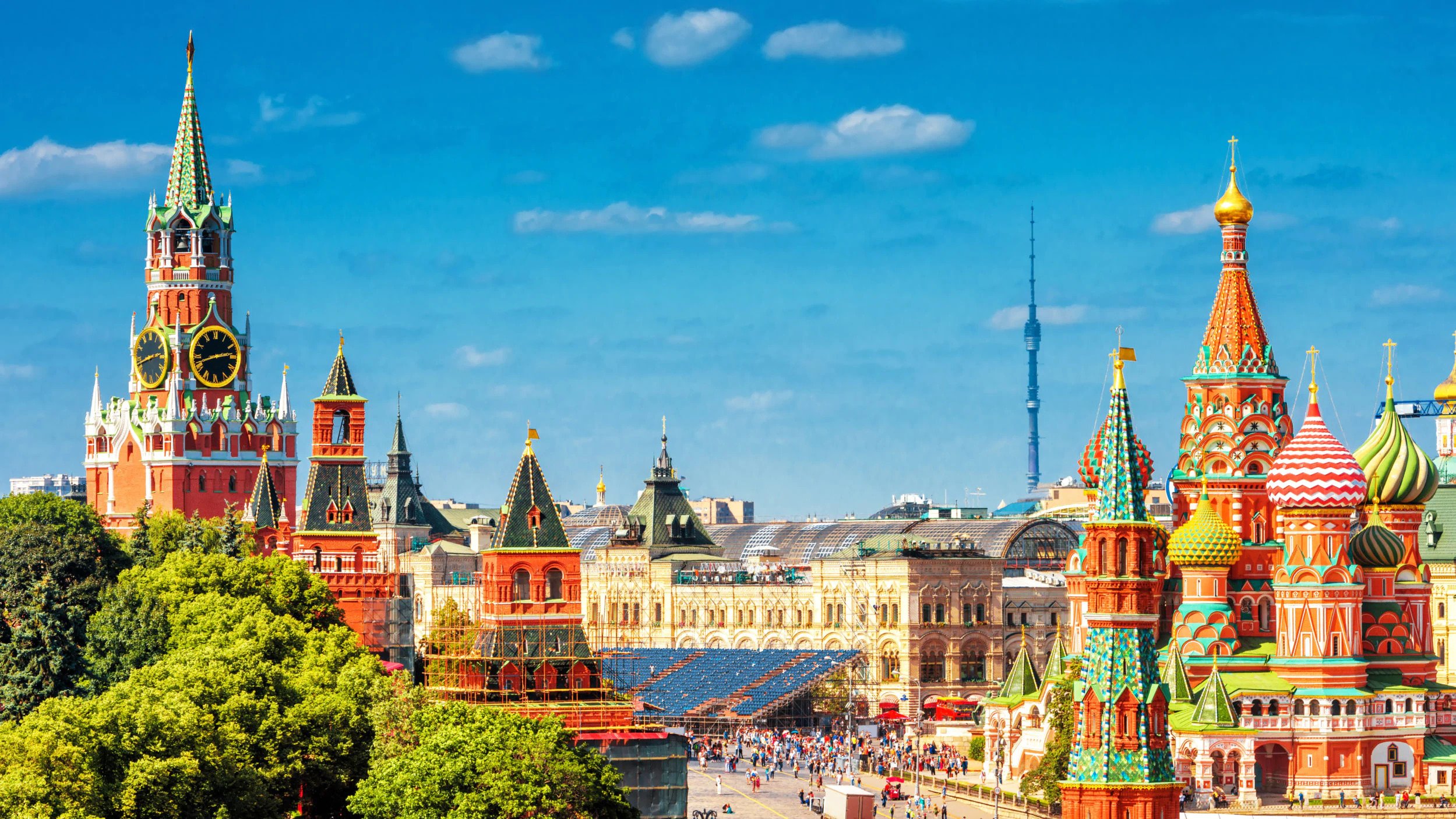
Moscow draws millions of visitors annually to the Kremlin, Red Square, and the Tretyakov Gallery, making it one of Europe's most-visited capitals despite its complex entry requirements. The combination of high tourism volume in compact central districts, a significant informal economy, and a currency and payment system unfamiliar to most Western visitors creates concentrated conditions for scam operators — particularly around Okhotny Ryad, the Arbat, and both major international airports. Most scams target newly arrived travelers before they have oriented themselves to local pricing norms or set up a working payment method.

Last updated: April 9, 2026

Editorially reviewed — sources cross-referenced before publishing. How we verify →

4

High Risk

4

Medium Risk

3

Low Risk

36% high36% medium27% low

Moscow · Russia · Europe

Open map →
Key Risk Areas

Where These Scams Are Most Active in Moscow

Specific areas and landmarks with the highest concentration of documented incidents.

Sheremetyevo Airport Unlicensed Taxi Tout

Taxi & Transport

Sheremetyevo International Airport (SVO) arrivals halls, Terminals B and C, Leningradskoe Highway corridor between terminal exit and official taxi ranks

Domodedovo Airport Inflated Fare Scam

Taxi & Transport

Domodedovo Airport (DME) arrivals hall exit, DME-2 terminal exterior taxi rank area, Kashirskoye Highway approach road outside the terminal

Fake Police Document and Wallet Check

Street Scams

Alexandrovsky Garden along the western Kremlin wall, Okhotny Ryad metro station exits on Manezhnaya Square, along Tverskaya Ulitsa between Pushkinskaya and Okhotny Ryad metro stations

Online Accommodation Fraud for Russia-Bound Tourists

Accommodation Scams

Primarily an online scam targeting travelers before arrival; fake listings often feature stolen photos of apartments in Zamoskvorechye district, Patriarch's Ponds area (Patriarshiye Prudy), and near Tverskaya Ulitsa in central Moscow

Street Currency Exchange Tout

Money & ATM Scams

Red Square perimeter near GUM department store entrance on Nikolskaya Ulitsa, Kitay-Gorod district around Staraya Ploshchad, Okhotny Ryad underground shopping mall exits near Manezhnaya Square

Tourist Restaurant Menu Overcharge

Restaurant Scams

Restaurants along Nikolskaya Ulitsa between Red Square and Lubyanskaya Ploshchad, Tverskaya Ulitsa between Pushkinskaya and Okhotny Ryad metro stations, tourist-facing establishments in Kitay-Gorod near Staraya Ploshchad

These areas are safe to visit — knowing the setups in advance makes them far easier to recognize and avoid.

Transport is the primary risk in Moscow

3 of 11 documented scams involve taxis or transport. Always use app-based rides (Uber, Grab, or local equivalent) and confirm fares before getting in.

Safety Checklist

Quick Safety Tips for Moscow

Key precautions based on the most frequently reported scams here.

  • Download Yandex Go before landing and book your ride from inside the arrivals hall using the app -- a legitimate taxi to central Moscow within the Garden Ring should cost 1,200-1,800 RUB and the price is fixed before you enter the vehicle. Alternatively, purchase an Aeroexpress train ticket at the terminal for the 35-minute ride to Belorussky railway station. Never follow anyone who approaches you unsolicited inside the terminal.
  • Use Yandex Go or the Domodedovo official taxi desk in the arrivals hall -- the desk issues a printed receipt with a fixed fare before you board. If using an app, confirm the destination, fare, and vehicle details inside the terminal before walking to the pickup point. Never hand your bank card to a driver who claims his terminal only takes card.
  • Real Russian police officers are uniformed and must show official credentials on request. Offer to walk with the officers to the nearest police station (otdeleniye politsii) -- genuine officers will comply, scammers will lose interest immediately. Never open your wallet or allow anyone to touch your documents or belongings during such an encounter.
  • Book accommodation only through major verified platforms that still operate for Russia, or work directly with a licensed Russian tour operator who can provide a legitimate visa invitation letter on official hotel letterhead. Video-call the property before transferring any money if booking outside major platforms. Be very cautious of any rental that requests payment in cryptocurrency or via international wire transfer.
  • Exchange currency only at licensed bank branches such as Sberbank, VTB, or Alfa-Bank, or at certified exchange offices that display an official exchange sign and an electronic rate board. The Russian Central Bank publishes the official daily rate at cbr.ru -- check it before exchanging so you know the legitimate rate. Never hand cash to anyone on the street.

How it works

Unlicensed taxi drivers known locally as bombilas aggressively solicit arrivals in the arrivals hall at Sheremetyevo International Airport (SVO), particularly at Terminals B and C. They quote attractive initial prices of 500-800 RUB, then escalate demands to 3,000-8,000 RUB or more once the passenger is in the vehicle and moving. A documented 2025 criminal case involving five police officers from the airport interior ministry directorate revealed that officers actively helped touts identify and steer vulnerable arrivals toward unlicensed cabs.

How it works

Drivers outside Domodedovo Airport (DME) operate a fixed-price scam in which they agree on a fare before departure but present a running meter or POS terminal showing a drastically inflated total on arrival. Reports document cases where fares quoted at 1,500 RUB resulted in card charges exceeding 25,000 RUB on the driver's own POS terminal. Some drivers carry POS terminals pre-configured to charge foreign card amounts in euros or dollars at an undisclosed conversion rate.

How it works

Individuals posing as plainclothes police officers approach tourists near major landmarks and demand to inspect their documents, citing invented offenses such as suspected drug possession or illegal currency exchange. Once the tourist opens their wallet or bag to produce a passport, an accomplice nearby palms cash or the victim is pressured to pay a fabricated fine on the spot. This scam is well documented around Okhotny Ryad metro station, Alexandrovsky Garden near the Kremlin, and along Tverskaya Ulitsa.

How it works

With most mainstream booking platforms operating under restrictions for Russian hotels following 2022 sanctions, fraudulent listing sites and fake rental agencies have proliferated, targeting tourists who search for Moscow accommodation outside major platforms. These sites use stolen photos of legitimate Moscow apartments near Patriarch's Ponds or Zamoskvorechye district, collect full payment or a security deposit via international transfer or cryptocurrency, and are unreachable on arrival. Some also sell counterfeit invitation letters needed for Russian tourist visa applications that will fail border inspection.

How it works

Men loitering near metro exits in Kitay-Gorod, Okhotny Ryad, and around GUM department store on Red Square approach tourists whispering offers to change money at a good rate. The offered rate appears attractive but the exchange involves sleight of hand -- the tourist receives a stack of bills with high-denomination notes on the outside and worthless or incorrect currency inside, or is shortchanged during the rapid hand-off. In some cases the exchanger disappears into a crowd the moment the tourist notices the discrepancy.

How it works

Some restaurants near Red Square, along Tverskaya Ulitsa, and in the Kitay-Gorod district maintain dual menus -- a standard menu in Russian and a tourist menu in English with prices 2-4 times higher for identical dishes. In a variation, the menu presented to foreign-looking diners has no prices at all, and the bill is invented. Overly attentive staff who flag you down from the street with claims of authentic Russian food are almost always earning a commission from the restaurant.

How it works

The Moscow Metro carries over 7 million passengers daily; pickpockets operate primarily on the Circle Line (Line 5, brown) and on the interchange platforms at Komsomolskaya, Park Kultury, and Biblioteka im. Lenina stations during morning and evening rush hours. A common tactic involves one person pressing close to a tourist to look at a metro map while an accomplice works the bag or jacket pocket from behind. Tourists consulting paper maps or looking upward at station art are especially vulnerable.

How it works

Self-styled tour guides position themselves near the Kutafya Tower entrance to the Kremlin and along Alexandrovsky Garden on the western Kremlin wall, approaching tourists with offers of private guided tours for 500-1,000 RUB. The tours either never materialize after collecting a deposit, consist of historically inaccurate commentary in public areas already freely visible, or end at partner souvenir shops where the guide earns a commission on inflated purchases. Some operate with fake booking documents using names of established tour agencies.

How it works

Along Ulitsa Arbat -- the pedestrian tourist strip running between Arbatskaya and Smolenskaya metro stations -- individuals dressed as Russian military officers, matryoshka dolls, or Soviet-era figures invite tourists to pose for a free photo. Once the photo is taken, they demand aggressive payment of 500-2,000 RUB per person and become hostile if refused, sometimes physically grabbing the tourist's phone or camera until payment is made.

How it works

Souvenir stalls lining Ulitsa Arbat charge prices 3-10 times higher than identical goods available at Izmailovsky Market (Vernissage Market) or at larger chain souvenir shops in central Moscow. Items including matryoshka dolls, Soviet-era military badges, and fur hats are frequently misrepresented as hand-painted or antique when they are mass-produced imports. Vendors quote prices in dollars or euros rather than rubles to maximize the perception of value.

How it works

Marshrutky (fixed-route GAZelle minibuses operating as semi-formal shared taxis) sometimes quote tourists prices far above the standard fixed fare, particularly on routes serving Vnukovo Airport and outlying destinations. Some drivers claim the tourist missed the correct bus and offer to take them directly for a negotiated price, which ends up significantly above the official marshrutka rate. Unlicensed marshrutky may have no fixed stops and operate without any posted fare.

FAQ

Moscow Safety — Frequently Asked Questions

What scams target tourists in Moscow?
The most frequently reported tourist scams in Moscow are Sheremetyevo Airport Unlicensed Taxi Tout, Domodedovo Airport Inflated Fare Scam, Fake Police Document and Wallet Check, with 4 classified as high severity. Most scams operate near transit hubs, tourist attractions, and busy markets. Reviewing each type before you arrive significantly reduces your risk of being targeted. Similar patterns are also documented in Hamburg and Marseille.
Are taxis safe in Moscow?
Taxis in Moscow carry documented risk for tourists — 3 transport-related scams are on record. Download Yandex Go before landing and book your ride from inside the arrivals hall using the app -- a legitimate taxi to central Moscow within the Garden Ring should cost 1,200-1,800 RUB and the price is fixed before you enter the vehicle. Alternatively, purchase an Aeroexpress train ticket at the terminal for the 35-minute ride to Belorussky railway station. Never follow anyone who approaches you unsolicited inside the terminal. Where available, verified ride-hailing apps (Uber, Grab, or local equivalents) are generally safer than street taxis.
Is Moscow safe at night for tourists?
Moscow draws millions of visitors annually to the Kremlin, Red Square, and the Tretyakov Gallery, making it one of Europe's most-visited capitals despite its complex entry requirements. The combination of high tourism volume in compact central districts, a significant informal economy, and a currency and payment system unfamiliar to most Western visitors creates concentrated conditions for scam operators — particularly around Okhotny Ryad, the Arbat, and both major international airports. Most scams target newly arrived travelers before they have oriented themselves to local pricing norms or set up a working payment method. 4 of the 11 documented scams here are rated high severity. After dark, extra caution is advised near Sheremetyevo International Airport (SVO) arrivals halls, Terminals B and C, Leningradskoe Highway corridor between terminal exit and official taxi ranks. Use app-based transport at night and avoid unsolicited approaches from strangers.
Which areas of Moscow should tourists be most careful in?
Documented scam activity in Moscow is concentrated in high-traffic tourist zones. Based on reported incidents: Sheremetyevo International Airport (SVO) arrivals halls, Terminals B and C, Leningradskoe Highway corridor between terminal exit and official taxi ranks (Sheremetyevo Airport Unlicensed Taxi Tout); Domodedovo Airport (DME) arrivals hall exit, DME-2 terminal exterior taxi rank area, Kashirskoye Highway approach road outside the terminal (Domodedovo Airport Inflated Fare Scam); Alexandrovsky Garden along the western Kremlin wall, Okhotny Ryad metro station exits on Manezhnaya Square, along Tverskaya Ulitsa between Pushkinskaya and Okhotny Ryad metro stations (Fake Police Document and Wallet Check). These areas are safe to visit — knowing the common setups in advance makes them far easier to recognize and avoid.
How can I avoid being scammed in Moscow?
The best protection against scams in Moscow is preparation — knowing the specific tactics used here before you arrive. Key precautions: Download Yandex Go before landing and book your ride from inside the arrivals hall using the app -- a legitimate taxi to central Moscow within the Garden Ring should cost 1,200-1,800 RUB and the price is fixed before you enter the vehicle. Alternatively, purchase an Aeroexpress train ticket at the terminal for the 35-minute ride to Belorussky railway station. Never follow anyone who approaches you unsolicited inside the terminal. Always confirm prices before agreeing to any service, use official or app-based transport, and slow down if anyone creates urgency or distraction — that is almost always the setup.
Browse by Type

Browse by scam type

Filter scams in Moscow by category, or read our worldwide guides for each scam type — taxi scams, street scams, restaurant scams, and more.

Experienced a scam here?

Help fellow travelers by reporting it.

Report a Scam

If you're visiting more than one destination

Similar scam patterns are active across the Europe region. Before visiting Munich, Valencia, and Wroclaw, review each city's guide — tactics vary and local setups differ even for the same scam type.

Editorial note: Scam warnings for Moscow are compiled from government travel advisories (US State Dept, UK FCDO, Australian DFAT), verified news sources, travel community reports, and traveler-submitted incidents. All entries are reviewed for accuracy and local specificity before publication. Read our full methodology →