EuropeItaly

Rome Scams to Avoid in 2026 (Italy)

Rome's tourist areas — the Colosseum, Trevi Fountain, and Vatican — see gladiator costume photo scams, fake petitions, overpriced cafés, and highly organized pickpocket gangs.

Last updated: April 2, 2026

📖 How it typically plays outHigh Risk

Pickpockets on Bus 40 and 64

Buses 40 and 64, which run from Termini Station to the Vatican, are notorious for organized pickpocket gangs. The buses get very crowded and thieves work in teams — one distracts while another steals.

📍Bus routes 40 and 64 running from Roma Termini westward along Corso Vittorio Emanuele II toward the Vatican. The buses are most crowded — and theft most common — at the Termini boarding stop and at the stops near Largo di Torre Argentina and Piazza Navona.

How to avoid: Take the Metro (Line A to Ottaviano) instead of buses 40/64 when going to the Vatican. Keep bags zipped and in front of you. Be especially alert when the bus is crowded or when someone creates a distraction.

This scam type is also documented in Mykonos and Barcelona.

4

High Risk

5

Medium Risk

1

Low Risk

40% high50% medium10% low

Rome · Italy · Europe

Open map →

📍Where These Scams Are Most Active in Rome

Specific areas and landmarks with the highest concentration of documented incidents.

⚠️HIGH

Pickpockets on Bus 40 and 64

Bus routes 40 and 64 running from Roma Termini westward along Corso Vittorio Emanuele II toward the Vatican. The buses are most crowded — and theft most common — at the Termini boarding stop and at the stops near Largo di Torre Argentina and Piazza Navona.

🎭HIGH

Fake Petition at Major Sights

Outside the Colosseum's main entrance on Piazza del Colosseo, and along the Via dei Fori Imperiali walkway toward the Roman Forum. Groups also operate near the Arch of Constantine where tourists slow down to photograph.

🚕HIGH

Taxi from Termini Without Meter

Outside Roma Termini's main exits on Piazza dei Cinquecento, where unlicensed drivers solicit passengers on the pavement before they reach the official white taxi queue. Also active on the Via Giovanni Giolitti side exit.

🗺️HIGH

Colosseum Fake Ticket and Guide Touts

Along the queue outside the Colosseum's main entrance on Piazza del Colosseo, and on the Via Sacra path between the Colosseum and the Arch of Titus. Touts also redirect tourists toward a separate paid entry point on Via dei Fori Imperiali.

🗺️MED

Gladiator Photo Scam

Directly outside the Colosseum's main entrance on the Via Sacra side, and along the Via dei Fori Imperiali between the Colosseum metro stop (Line B) and the Arch of Constantine. A secondary cluster operates near the Roman Forum's Via Sacra entrance.

🍽️MED

Restaurant Cover Charge Ambush

Restaurants lining the Via della Conciliazione leading to St Peter's Square, the streets immediately surrounding the Trevi Fountain (Via delle Muratte, Via dei Crociferi), and the blocks around Piazza di Spagna at the Spanish Steps.

These areas are safe to visit — knowing the setups in advance makes them far easier to recognize and avoid.

🚶

Street-level scams are most common in Rome

3 documented street scams target tourists near major attractions. Unsolicited approaches, "free" gifts, and distraction techniques are the main patterns — confidence and pace help.

How it works

Buses 40 and 64, which run from Termini Station to the Vatican, are notorious for organized pickpocket gangs. The buses get very crowded and thieves work in teams — one distracts while another steals.

How it works

Groups of children or young people approach tourists near the Colosseum and Roman Forum with clipboards, asking for signatures for deaf rights or similar causes. While tourists' attention is on the board, wallets and phones are stolen.

How it works

Taxis outside Roma Termini use negotiated "flat rates" that can be €25–50 to destinations with an official metered fare of €8–12. Drivers target tourists with luggage unfamiliar with correct fares.

How it works

Touts near the Colosseum's entrance sell guided tours or "skip-the-line" entries at inflated prices. Some sell entirely fake tickets while others redirect tourists to separate, non-affiliated paid entry points.

How it works

Men dressed as Roman gladiators near the Colosseum invite tourists for a photo. Once taken, they demand $20–50 per person. If tourists refuse or try to leave, they may become aggressive or grab cameras.

How it works

Restaurants in the tourist belt around the Vatican, Trevi Fountain, and Spanish Steps add "coperto" (cover charge) and "servizio" (service charge) not visible on the displayed menu. Bills can be €5–15 per person higher than expected.

How it works

Restaurants within 200 metres of St Peter's Square routinely charge €30–50 per main course plus cover charges for food that would cost €10–15 two streets away in Prati neighbourhood.

How it works

The classic shell game is operated by gangs near the Colosseum and Forum area. Shills win visibly to attract bets. Any tourist who bets loses; the ball is palmed between movements.

How it works

Street sellers spread counterfeit handbags and sunglasses on sheets near the Trevi Fountain and Spanish Steps. In Italy, buying counterfeit goods can result in fines for the buyer of €1,000–10,000.

How it works

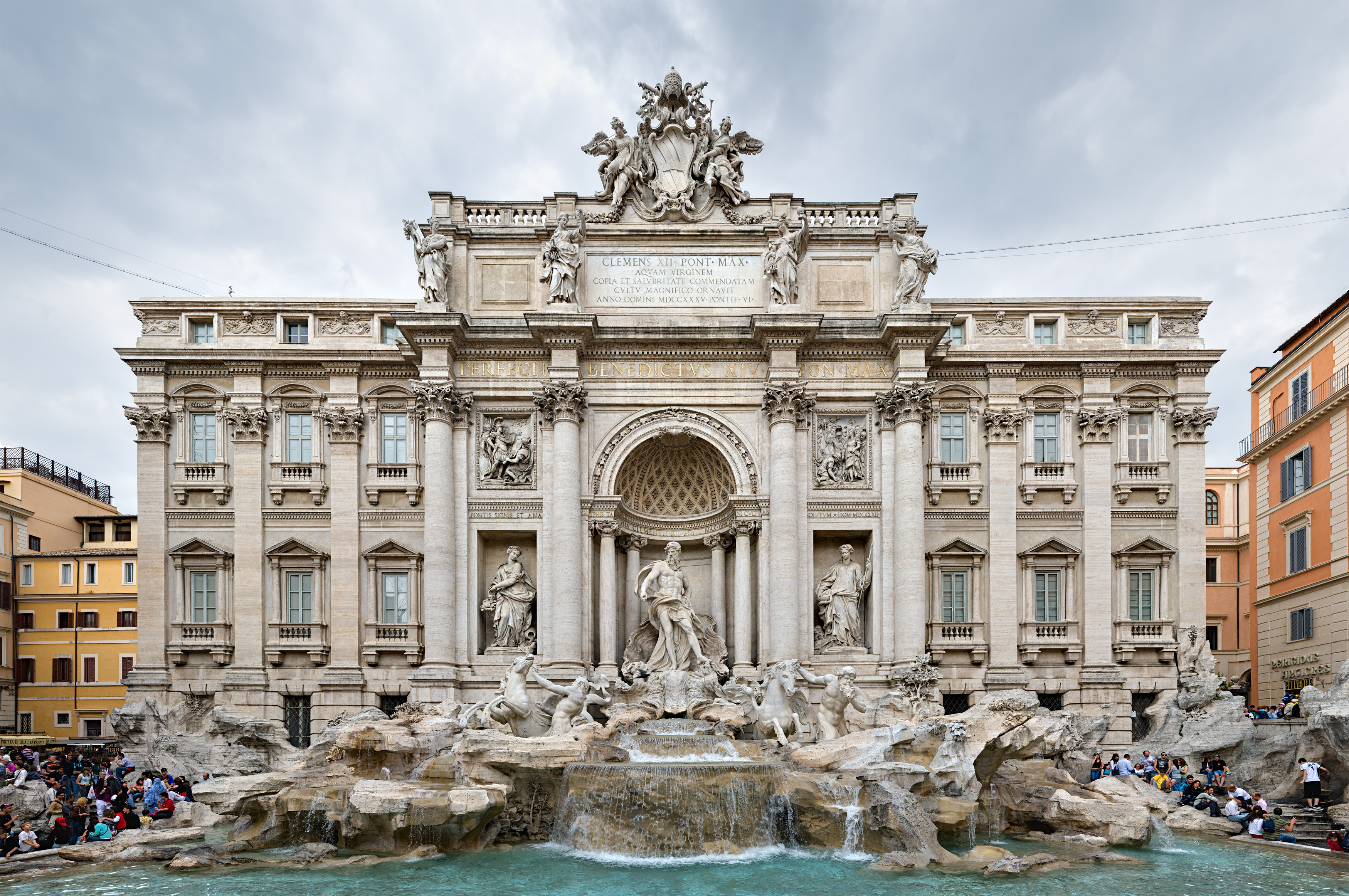
Men near the Trevi Fountain offer single roses to couples, then demand $20–30 once the photo is taken. If refused, they make a scene and may follow couples aggressively to embarrass them into paying.

Rome Safety — Frequently Asked Questions

What scams target tourists in Rome?
The most frequently reported tourist scams in Rome are Pickpockets on Bus 40 and 64, Fake Petition at Major Sights, Taxi from Termini Without Meter, with 4 classified as high severity. Most scams operate near transit hubs, tourist attractions, and busy markets. Reviewing each type before you arrive significantly reduces your risk of being targeted. Similar patterns are also documented in Mykonos and Barcelona.
Are taxis safe in Rome?
Taxis in Rome carry documented risk for tourists — 1 transport-related scam is on record. Use only official white Roma taxi cabs and insist the meter runs from the moment you get in. Book via the itTaxi app for a predictable price. Where available, verified ride-hailing apps (Uber, Grab, or local equivalents) are generally safer than street taxis.
Is Rome safe at night for tourists?
Rome is visited safely by millions of tourists each year, though nighttime in high-traffic tourist areas requires more awareness. Scam operators and pickpockets tend to be more active near nightlife zones and late-night transport hubs. Stick to well-lit areas, use trusted transport after dark, and keep valuables secured.
Which areas of Rome should tourists be most careful in?
Documented scam activity in Rome is concentrated in high-traffic tourist zones. Based on reported incidents: Bus routes 40 and 64 running from Roma Termini westward along Corso Vittorio Emanuele II toward the Vatican. The buses are most crowded — and theft most common — at the Termini boarding stop and at the stops near Largo di Torre Argentina and Piazza Navona. (Pickpockets on Bus 40 and 64); Outside the Colosseum's main entrance on Piazza del Colosseo, and along the Via dei Fori Imperiali walkway toward the Roman Forum. Groups also operate near the Arch of Constantine where tourists slow down to photograph. (Fake Petition at Major Sights); Outside Roma Termini's main exits on Piazza dei Cinquecento, where unlicensed drivers solicit passengers on the pavement before they reach the official white taxi queue. Also active on the Via Giovanni Giolitti side exit. (Taxi from Termini Without Meter). These areas are safe to visit — knowing the common setups in advance makes them far easier to recognize and avoid.
How can I avoid being scammed in Rome?
The best protection against scams in Rome is preparation — knowing the specific tactics used here before you arrive. Key precautions: Use only official white Roma taxi cabs and insist the meter runs from the moment you get in. Book via the itTaxi app for a predictable price. Always confirm prices before agreeing to any service, use official or app-based transport, and slow down if anyone creates urgency or distraction — that is almost always the setup.

Browse by scam type

Filter scams in Rome by category, or read our worldwide guides for each scam type — taxi scams, street scams, restaurant scams, and more.

Experienced a scam here?

Help fellow travelers by reporting it.

Report a Scam

If you're visiting more than one destination

Similar scam patterns are active across the Europe region. Before visiting Krakow, Berlin, and Prague, review each city's guide — tactics vary and local setups differ even for the same scam type.

Editorial note: Scam warnings for Rome are compiled from government travel advisories (US State Dept, UK FCDO, Australian DFAT), verified news sources, travel community reports, and traveler-submitted incidents. All entries are reviewed for accuracy and local specificity before publication. Read our full methodology →