Jeju Island Scams to Avoid in 2026 (South Korea)
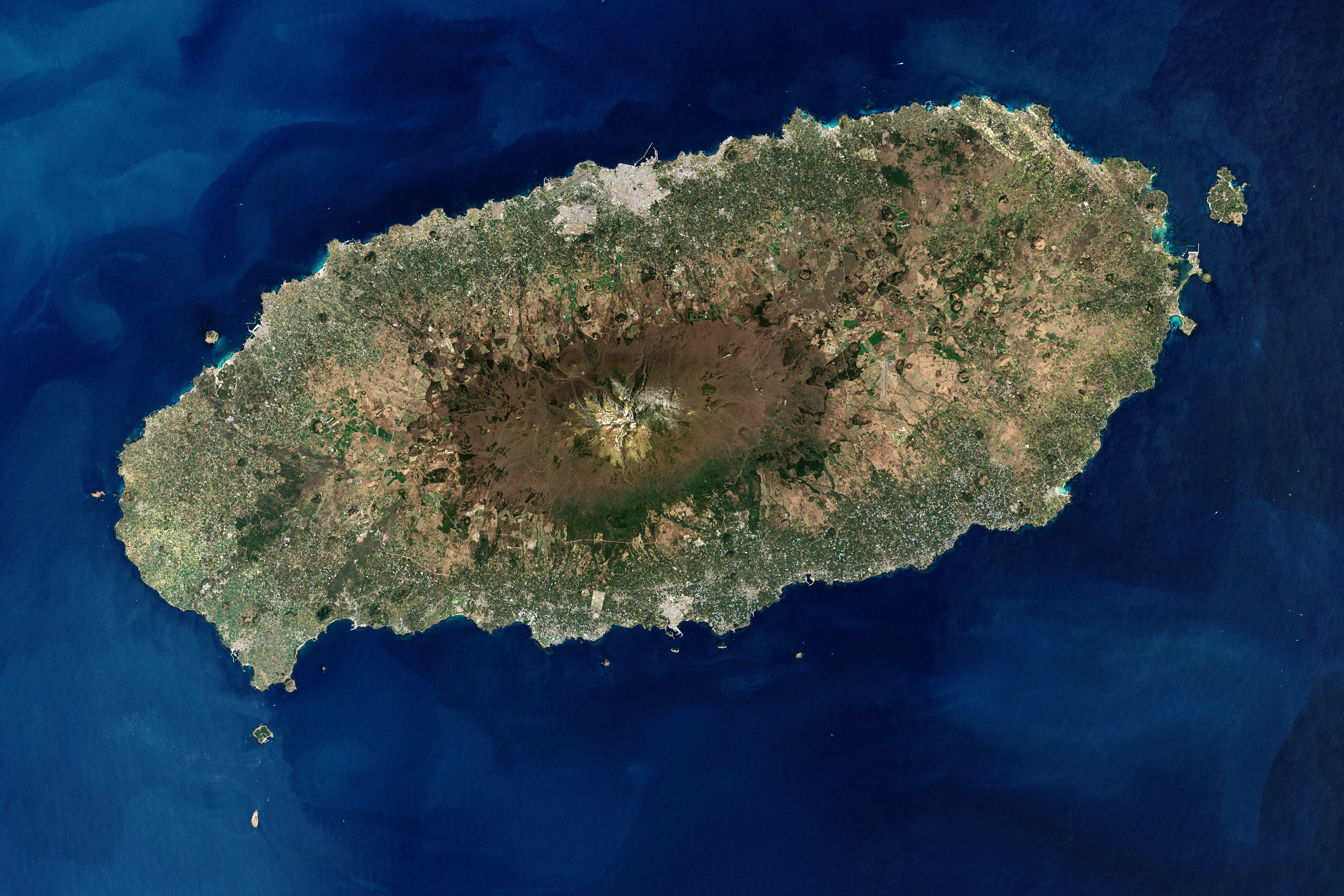
Jeju Island is South Korea's most-visited resort destination with volcanic landscapes and beaches, and while it's generally safe, tourists encounter overpriced tours, counterfeit souvenirs, and taxi fare disputes.
Risk Index
4.8
out of 10
Scams
14
documented
High Severity
0
0% of total
4.8
Risk Index
14
Scams
0
High Risk
Traveler Context
What Travellers Should Know About Scams in Jeju Island
Jeju Island has 14 documented tourist-targeted scams in our database, concentrated around tour & activities (3 reports). The most consistently reported individual pattern is Haenyeo Village Seafood Price Trap — Restaurants clustered around the Haenyeo diver villages in Seongsan and Jungmun display fresh seafood in tanks outside and invite tourists to select their own catch.
Specific documented risk areas include Seafood restaurants directly outside the Haenyeo Experience Center in Seongsan, and along the coastal strip near Jungmun Daepo Jusangjeolli Cliff; Jeju International Airport taxi rank and hotels along the Jungmun Resort Complex; Tour desks at Jeju City hotels and outdoor activity operators near Hallasan and Seongsan Ilchulbong. A separate but related pattern is Taxi Overcharging for Airport Transfers: Some taxi drivers at Jeju International Airport charge flat rates significantly above the metered fare for hotel transfers, particularly targeting non-Korean-speaking tourists. The single most effective protection across these patterns: Insist on seeing a full written price list in Korean and English before ordering. Confirm the total cost — including all preparation and side-dish fees — before any food is cooked. If no price list is provided, walk away and choose a restaurant in Seongsan town center where menus with prices are posted at the entrance.
Haenyeo Village Seafood Price Trap
Restaurants clustered around the Haenyeo diver villages in Seongsan and Jungmun display fresh seafood in tanks outside and invite tourists to select their own catch. Once seated, the final bill includes undisclosed preparation fees, mandatory side-dish charges, and premium pricing that can reach three to five times what locals pay at the same establishments. Servers often add expensive items to the table without asking and count them on the bill.
Seafood restaurants directly outside the Haenyeo Experience Center in Seongsan, and along the coastal strip near Jungmun Daepo Jusangjeolli Cliff
How to avoid: Insist on seeing a full written price list in Korean and English before ordering. Confirm the total cost — including all preparation and side-dish fees — before any food is cooked. If no price list is provided, walk away and choose a restaurant in Seongsan town center where menus with prices are posted at the entrance.
Key Risk Areas
Where These Scams Are Most Active
Specific areas and landmarks with the highest concentration of documented incidents in Jeju Island.
Haenyeo Village Seafood Price Trap
Restaurant ScamsSeafood restaurants directly outside the Haenyeo Experience Center in Seongsan, and along the coastal strip near Jungmun Daepo Jusangjeolli Cliff
Taxi Overcharging for Airport Transfers
Taxi & TransportJeju International Airport taxi rank and hotels along the Jungmun Resort Complex
Overpriced Jeep Tour Packages
Tour & ActivitiesTour desks at Jeju City hotels and outdoor activity operators near Hallasan and Seongsan Ilchulbong
Rental Vehicle Hidden Damage Charges
Money & ATM ScamsRental booths on the road approaching Jeju International Airport (Jeju-si), vehicle rental strips along Seogwipo Chilsimni-ro, and scooter hire shops near Seongsan Ilchulbong Tuff Cone.
Fake Accommodation "Cancellation" Fees
Online ScamsVacation rental listings across Jeju island on Airbnb and booking sites, Gujwa and Seongup area rural accommodations
Fake Hallasan Park Guide Fee Demand
Tour & ActivitiesEorimok trailhead parking area, Yeongsil trail entry point near Yeongsilgyo Bridge, and the junction below Witse Oreum on the 1100 Highland approach
Safety Checklist
Quick Safety Tips for Jeju Island
Key precautions based on the most frequently reported scams here.
- Insist on seeing a full written price list in Korean and English before ordering. Confirm the total cost — including all preparation and side-dish fees — before any food is cooked. If no price list is provided, walk away and choose a restaurant in Seongsan town center where menus with prices are posted at the entrance.
- Use the Kakao T app for transparent, metered pricing. If taking a street taxi, ensure the meter is running before departure.
- Book tours through the Jeju Tourism Organization website or your hotel. Use KakaoT for ground transport and compare rates at the official visitor center near Jeju Airport.
- Document the entire vehicle with a time-stamped video walkthrough before driving off, ensuring all existing damage is visible and acknowledged in writing by the staff. Pay the deposit by credit card so you can dispute fraudulent charges. Never surrender your passport as a deposit — it is not legally required.
- Book through established platforms with buyer protection (Booking.com, Airbnb with full refund policies). Read all terms carefully and photograph the space immediately upon arrival. Use credit cards with dispute resolution to protect bookings. Avoid wire transfers for deposits.
FAQ
Jeju Island Safety — Frequently Asked Questions
What scams target tourists in Jeju Island?
Are taxis safe in Jeju Island?
Is Jeju Island safe at night for tourists?
Which areas of Jeju Island should tourists be most careful in?
How can I avoid being scammed in Jeju Island?
Jeju Island · South Korea · East Asia
Open in Maps →0
High Risk
6
Medium Risk
8
Low Risk
14
Total
Showing 14 scams · sorted by frequency
Click any card to expand
Browse by Type
Scam Types in Jeju Island
Filter by category — or read worldwide guides for each scam type including taxi scams, street scams, and more.
Street Scams
2 scamsCounterfeit Volcanic Rock Souvenirs
Counterfeit Luxury Goods in Markets
Restaurant Scams
2 scamsHaenyeo Village Seafood Price Trap
Traditional Tea Ceremony Overcharge
Accommodation Scams
1 scamsJeju Pension Fake Listing and Advance Fee Fraud
Online Scams
2 scamsFake Accommodation "Cancellation" Fees
Fake Jeju Diving or Snorkelling Tour Booking Site
Tour & Activities
3 scamsOverpriced Jeep Tour Packages
Fake Hallasan Park Guide Fee Demand
Fake Jeju Tangerine Farm or Horseback Riding Package Pre-payment
Money & ATM Scams
2 scamsRental Vehicle Hidden Damage Charges
Currency Exchange Rate Manipulation at Island Forex Counters
Compare with nearby destinations
More about Jeju Island
Safety guides for Jeju Island
Region
More destinations in East Asia
Editorial note: Scam warnings for Jeju Island are compiled from government travel advisories (US State Dept, UK FCDO, Australian DFAT), verified news sources, travel community reports, and traveler-submitted incidents. All entries are reviewed for accuracy and local specificity before publication. Read our full methodology →