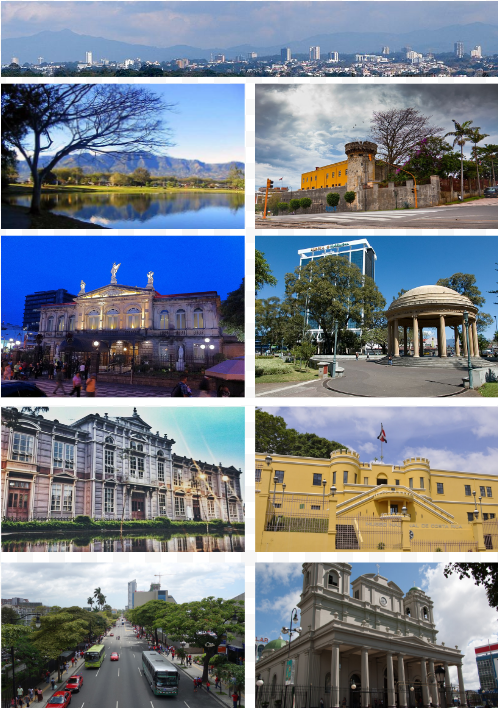
San José Scams to Avoid in 2026 (Costa Rica)
San José serves as Costa Rica's capital and primary entry point, with most international visitors landing at Juan Santamaría Airport 20km northwest before connecting onward to Manuel Antonio, Arenal, or the Osa Peninsula. Despite being a transit city for many, San José's compact downtown — centered on Avenida Central, the Mercado Central, and Parque Central — concentrates tourist activity in zones with a well-established informal economy that creates consistent scam risk. First-time visitors unfamiliar with official taxi rates, local currency exchange norms, and unlicensed tour operators are most exposed during even brief stays.
Risk Index
6.4
out of 10
Scams
11
documented
High Severity
1
9% of total
6.4
Risk Index
11
Scams
1
High Risk
Traveler Context
What Travellers Should Know About Scams in San José
San José has 11 documented tourist-targeted scams in our database, concentrated around money & atm scams (3 reports). The most consistently reported individual pattern is Express Kidnapping via Fake Taxi — Criminals operating fake or stolen taxis — including some painted to resemble official red taxis — have targeted tourists in the San José metropolitan area, forcing them to make ATM withdrawals at gunpoint before releasing them.
Specific documented risk areas include Alajuela–San José Route 1 corridor, Terminal 7-10 bus terminal area (Calle 10 between Avenida 7 and 10), downtown San José at night, near La Merced park; Juan Santamaría International Airport (SJO), arrivals hall and curbside pickup zone, 20km northwest of central San José on Route 1 near Alajuela; Avenida Central between Calle 2 and Calle 6, around Parque Central (Avenida 2 / Calle 1), near Correos de Costa Rica on Calle 2, downtown pedestrian zones. A separate but related pattern is Cambista Currency Exchange Fraud: Street money changers known as cambistas operate illegally around Avenida Central, Parque Central, and near the central post office (Correos de Costa Rica) on Calle 2, offering USD-to-colones exchange rates slightly above the official bank rate to attract tourists. The single most effective protection across these patterns: Never get into an unmarked or unofficial vehicle, especially at night or when alone. Use only taxis hailed through the official TAXILOGIC app, called from your hotel, or taken from a designated queue. Uber is a safer alternative for solo travelers. Do not accept rides from drivers who approach you proactively on the street or near bus terminals.
Express Kidnapping via Fake Taxi
Criminals operating fake or stolen taxis — including some painted to resemble official red taxis — have targeted tourists in the San José metropolitan area, forcing them to make ATM withdrawals at gunpoint before releasing them. These incidents are documented by the US Embassy and OIJ (Costa Rican investigative police) and occur most frequently in the Alajuela–San José corridor and around the downtown bus terminals at night. Unlike a simple overcharge, victims in these cases are driven to multiple ATMs and forced to withdraw their daily withdrawal limit.
Alajuela–San José Route 1 corridor, Terminal 7-10 bus terminal area (Calle 10 between Avenida 7 and 10), downtown San José at night, near La Merced park
How to avoid: Never get into an unmarked or unofficial vehicle, especially at night or when alone. Use only taxis hailed through the official TAXILOGIC app, called from your hotel, or taken from a designated queue. Uber is a safer alternative for solo travelers. Do not accept rides from drivers who approach you proactively on the street or near bus terminals.
Key Risk Areas
Where These Scams Are Most Active
Specific areas and landmarks with the highest concentration of documented incidents in San José.
Express Kidnapping via Fake Taxi
Taxi & TransportAlajuela–San José Route 1 corridor, Terminal 7-10 bus terminal area (Calle 10 between Avenida 7 and 10), downtown San José at night, near La Merced park
Airport Taxi Meter Scam
Taxi & TransportJuan Santamaría International Airport (SJO), arrivals hall and curbside pickup zone, 20km northwest of central San José on Route 1 near Alajuela
Cambista Currency Exchange Fraud
Money & ATM ScamsAvenida Central between Calle 2 and Calle 6, around Parque Central (Avenida 2 / Calle 1), near Correos de Costa Rica on Calle 2, downtown pedestrian zones
Mercado Central Pickpocketing
Street ScamsMercado Central, Avenida Central between Calles 6 and 8, surrounding streets especially Calle 6 north and south of the market entrance, Parque Central adjacent area
ATM Skimming on Avenida Central
Money & ATM ScamsAvenida Central pedestrian zone between Calle 1 and Calle 7, standalone ATMs near Mercado Central, convenience store ATMs in downtown San José
Fake Tour Operator Deposits
Tour & ActivitiesNear Museo Nacional on Calle 17 and Avenida 2, along Avenida Central between Calle 1 and Calle 9, tourist-facing storefronts in Barrio Amón
Safety Checklist
Quick Safety Tips for San José
Key precautions based on the most frequently reported scams here.
- Never get into an unmarked or unofficial vehicle, especially at night or when alone. Use only taxis hailed through the official TAXILOGIC app, called from your hotel, or taken from a designated queue. Uber is a safer alternative for solo travelers. Do not accept rides from drivers who approach you proactively on the street or near bus terminals.
- Exit the terminal and walk to the official TAXILOGIC red taxi queue at the designated stand — do not accept rides from anyone approaching you inside the terminal or on the curb. Insist on the meter (called "la maría") being activated before moving. Alternatively, book Uber from the arrivals hall using the airport Wi-Fi, which typically costs $15–25 to the city center.
- Never exchange currency with street vendors — it is illegal and systematically exploitative. Use Banco Nacional, BAC Credomatic, or Scotiabank branches on Avenida Central for official exchange, or simply withdraw colones from an ATM at the interbank rate. USD are accepted at most tourist businesses at a fair rate anyway, making street exchange unnecessary.
- Carry only the cash you need for the visit in a front pocket, and leave passports, extra cards, and valuables at your hotel. Use a crossbody bag worn in front of your body. Be alert to anyone who bumps into you or creates a distraction. Avoid displaying phones or cameras openly while navigating the market corridors.
- Use ATMs inside bank branches during business hours rather than standalone street ATMs — Banco Nacional and BAC Credomatic branches on Avenida Central and Paseo Colón are most reliable. Always cover the PIN pad with your hand when entering your code. Check the card slot for any looseness or unusual attachments before inserting your card. Notify your bank of travel before departure and enable transaction alerts.
FAQ
San José Safety — Frequently Asked Questions
What scams target tourists in San José?
Are taxis safe in San José?
Is San José safe at night for tourists?
Which areas of San José should tourists be most careful in?
How can I avoid being scammed in San José?
San José · Costa Rica · Central America
Open in Maps →1
High Risk
8
Medium Risk
2
Low Risk
11
Total
Showing 11 scams · sorted by frequency
Click any card to expand
Browse by Type
Scam Types in San José
Filter by category — or read worldwide guides for each scam type including taxi scams, street scams, and more.
Taxi & Transport
2 scams1 high severity
Express Kidnapping via Fake Taxi
Airport Taxi Meter Scam
Street Scams
2 scamsMercado Central Pickpocketing
"Helpful Local" Commission Shop Steering
Money & ATM Scams
3 scamsCambista Currency Exchange Fraud
ATM Skimming on Avenida Central
Counterfeit Bill Passing
Compare with nearby destinations
More about San José
Safety guides for San José
If you're visiting more than one destination
Similar scam patterns are active across Central America. Before visiting San José, Panama City, and San Juan del Sur, review each city's guide — tactics vary and local setups differ even for the same scam type.
Region
More destinations in Central America
Editorial note: Scam warnings for San José are compiled from government travel advisories (US State Dept, UK FCDO, Australian DFAT), verified news sources, travel community reports, and traveler-submitted incidents. All entries are reviewed for accuracy and local specificity before publication. Read our full methodology →